
Last updated November 23, 2026
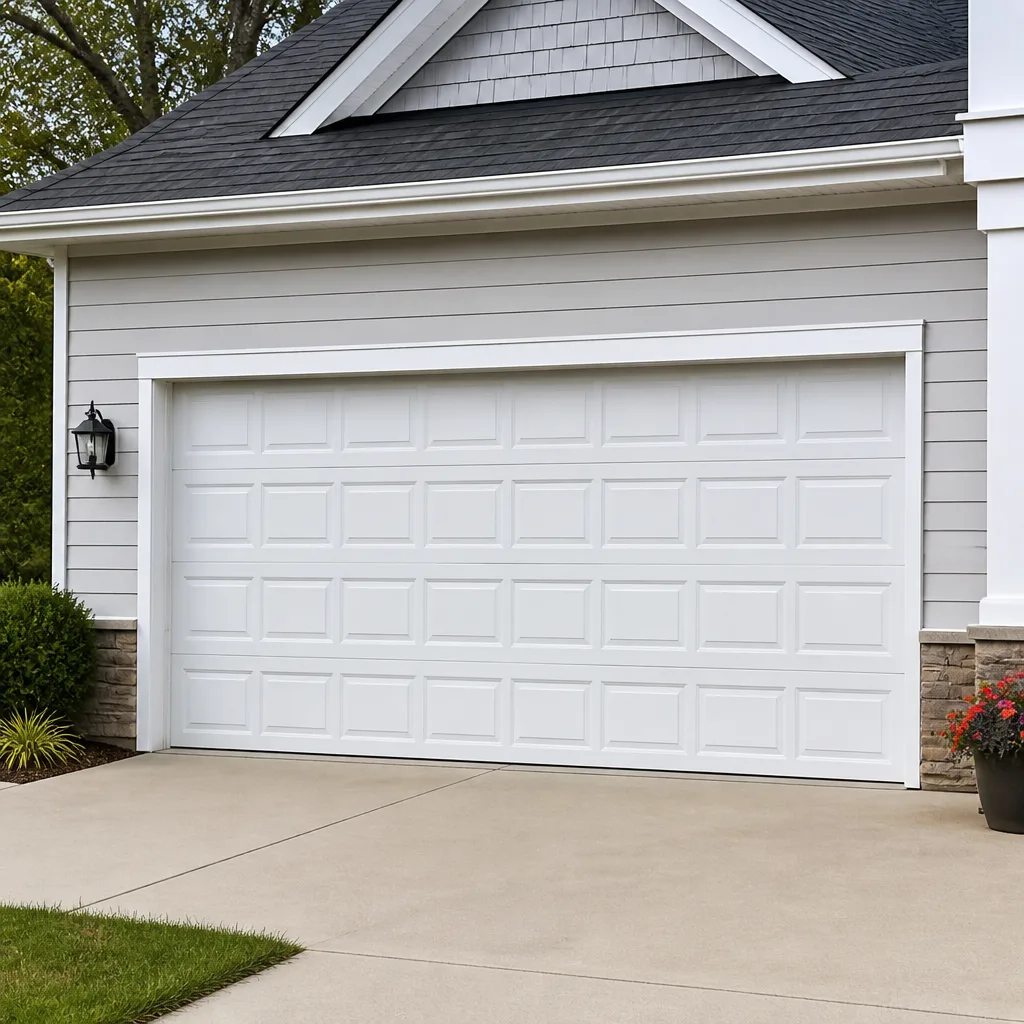 Raised-panel steel
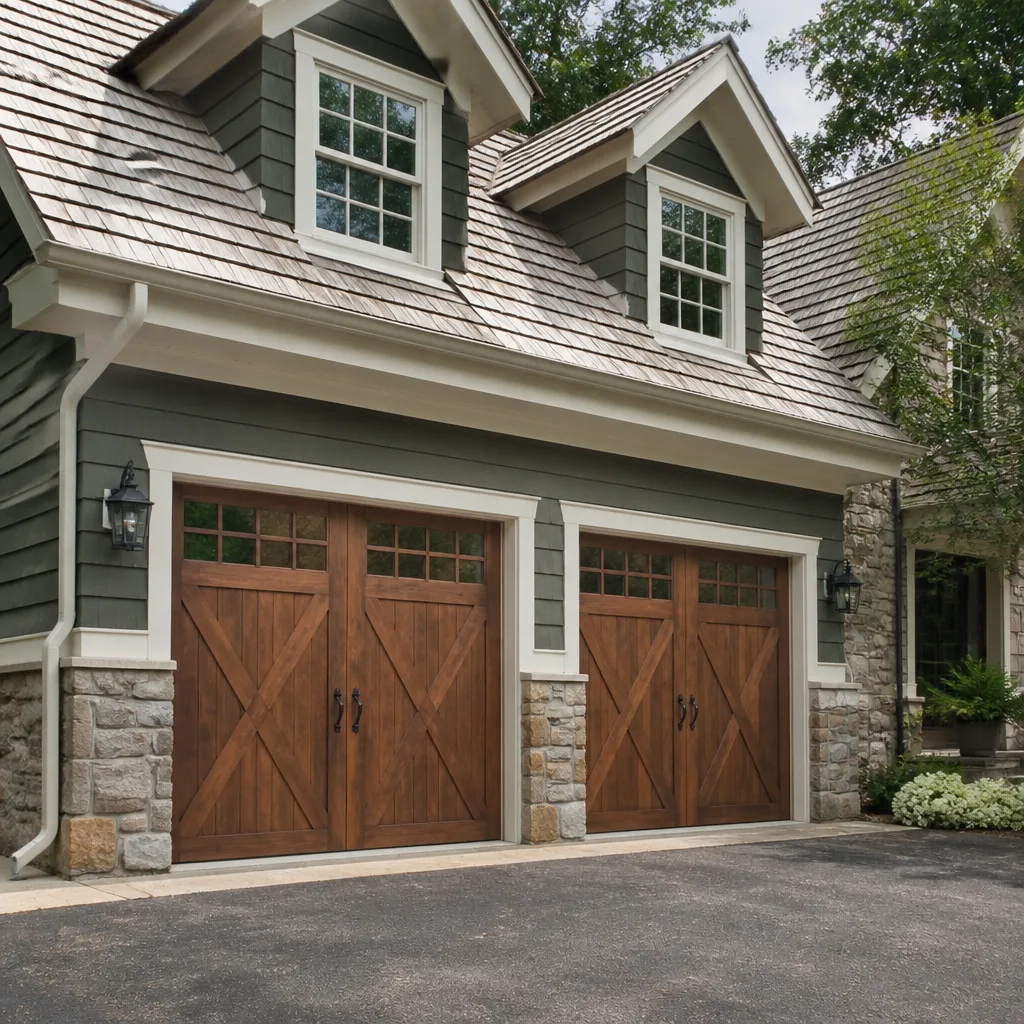 Carriage house
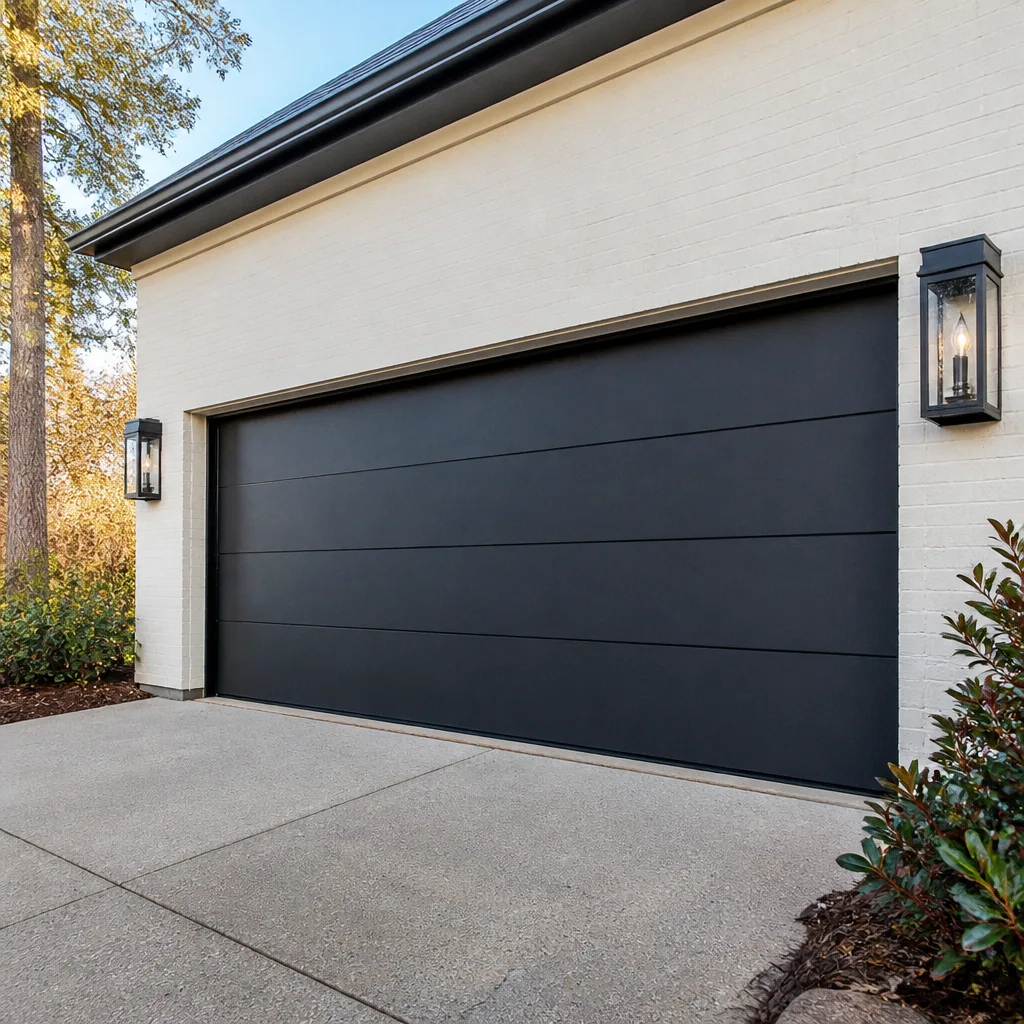 Modern flush
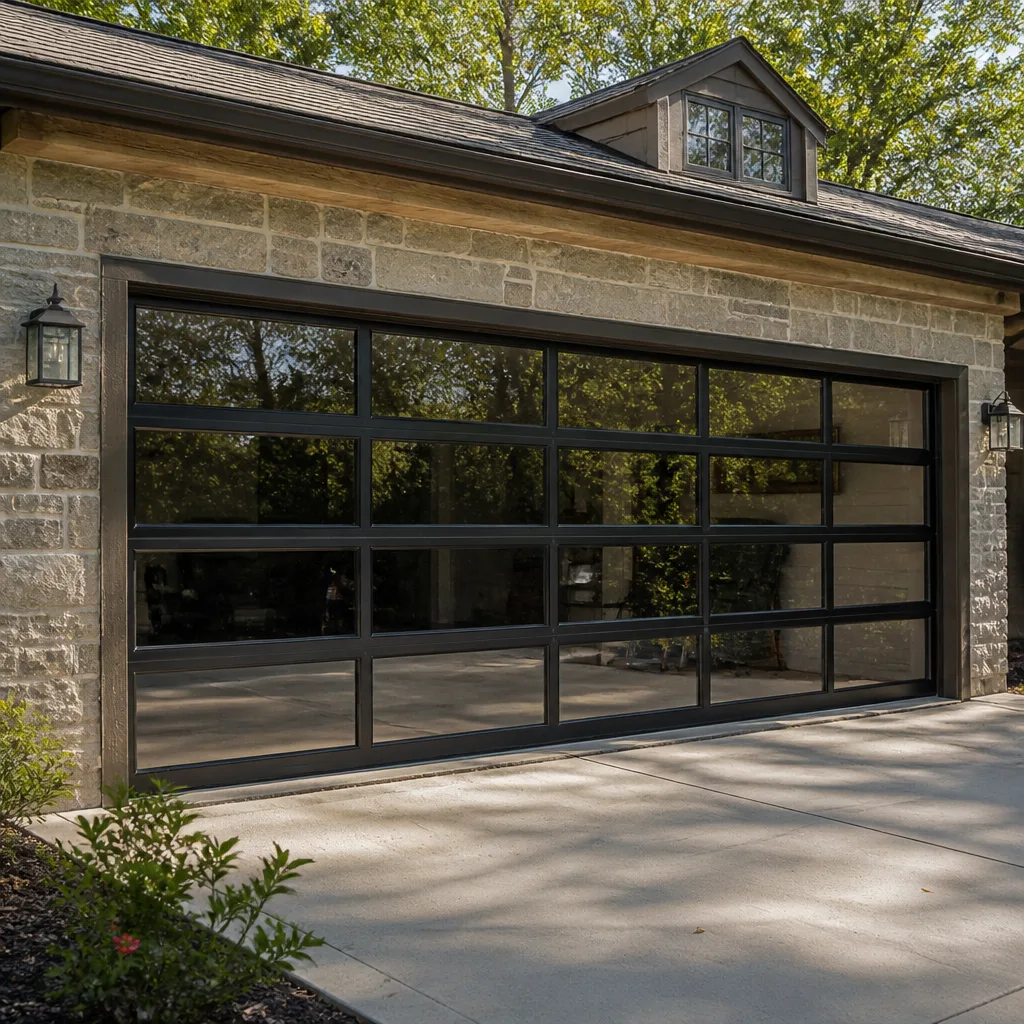 Full-view glass
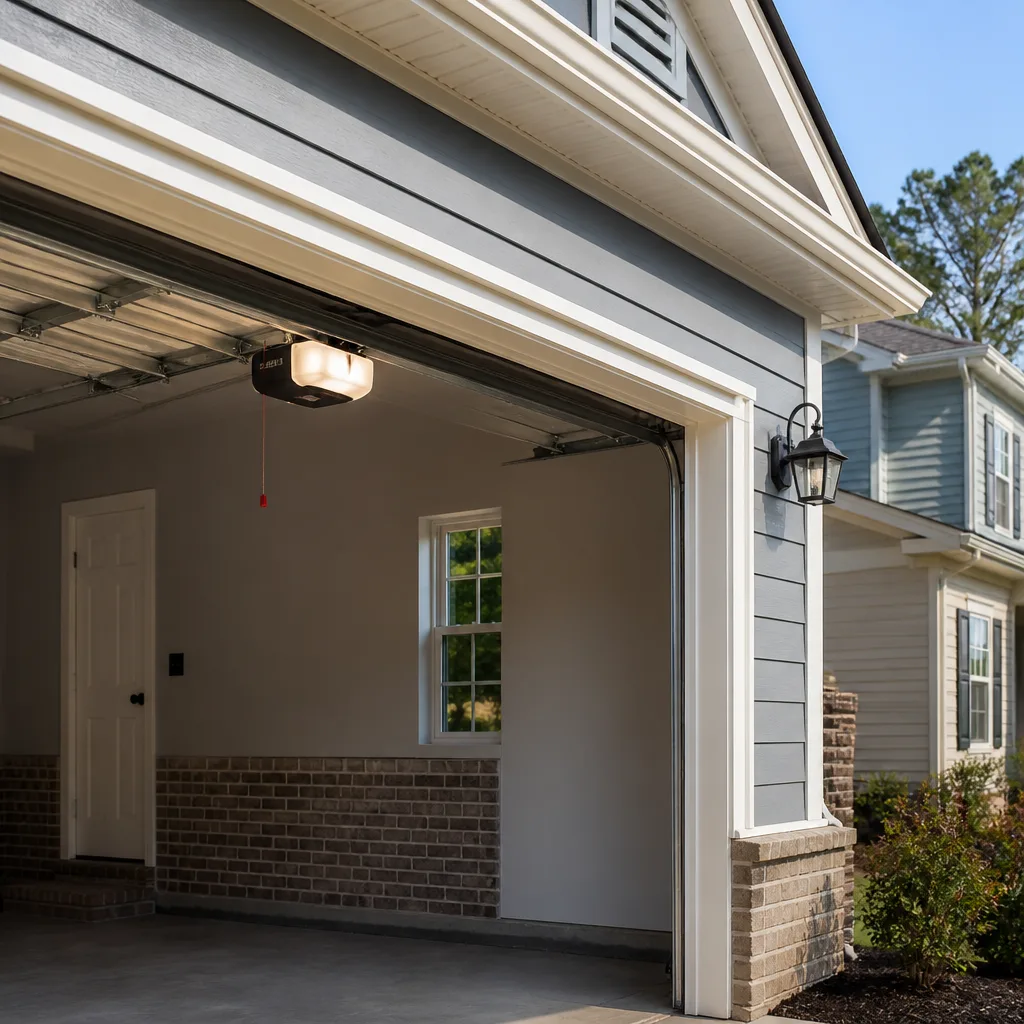 LiftMaster openers
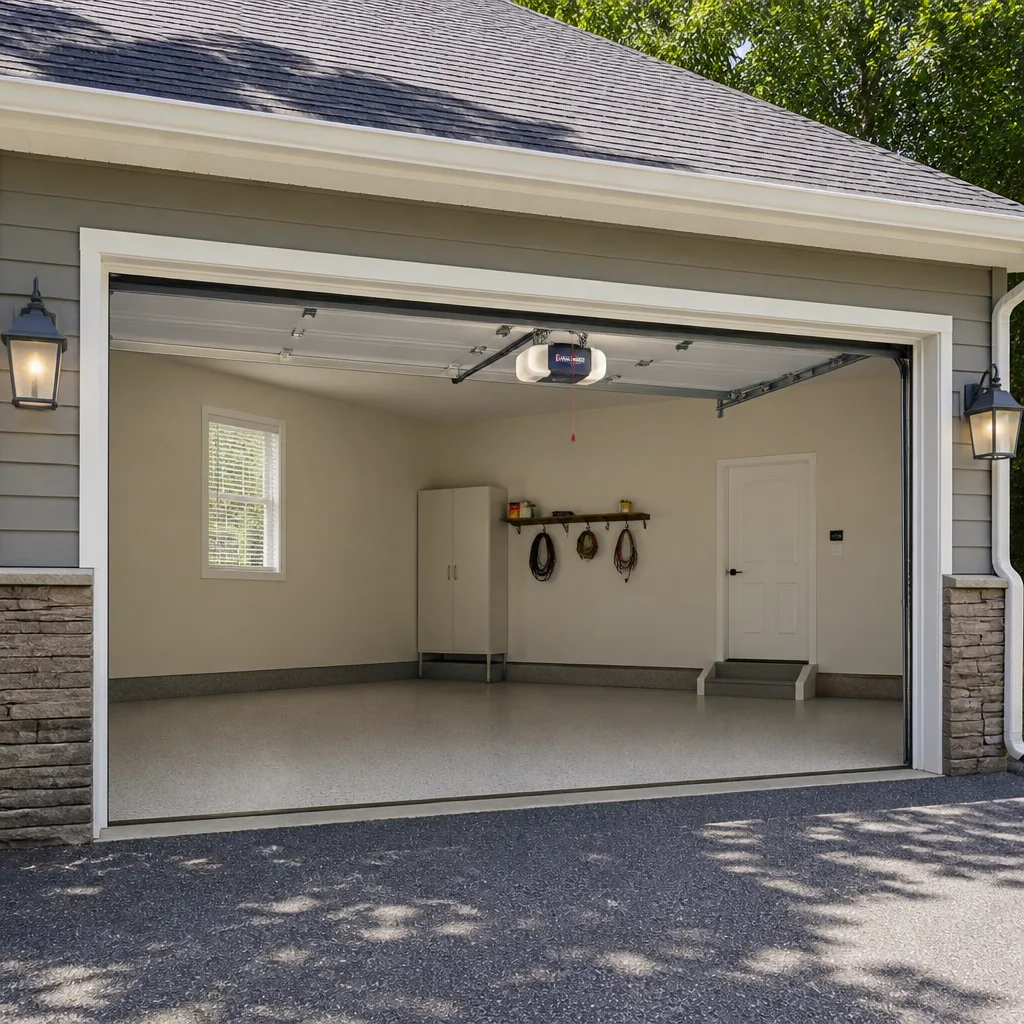 Chamberlain openers
Full 25-point door and opener safety check with every visit - springs, cables, rollers, tracks, and your LiftMaster or Chamberlain opener included
You get a price before we start. It does not change when the pro arrives.
Get your free estimateSeasonal Garage Door Care for Thornton: Year-Round Homeowner’s Guide
Most homeowners picture garage door damage as sudden: a snap, a bang, a door stuck halfway down. In our experience around Thornton, it rarely works that way. The most common emergency call we get comes on the first morning the temperature drops below 20°F, and nothing actually broke overnight. A problem that sat quietly all fall – a stiffening spring, a cracked bottom seal, grease that turned to paste – finally crossed its threshold. Thornton’s seasons don’t stress a door equally, and the real damage windows are narrower than a generic “four seasons” checklist suggests. This guide walks through the two inflection points that matter most, October’s first freeze and March’s freeze-thaw cycling, plus what every other month asks of your door.
Quick Answer
Seasonal garage door care in Thornton comes down to two hard deadlines and year-round attention in between. Before the first freeze in October, replace a cracked bottom seal and switch to a low-temperature lubricant rated below -20°F. Around March’s freeze-thaw cycle, check that the door still seals flat against a heaving floor threshold and watch the springs for tension changes. Everything else – UV check in summer, track inspection, opener diagnostics – is scheduled maintenance you can spread across the calendar in Thornton Garage Door Repair Pros.
Styles & brands we work with
- Raised-panel steel
- Carriage house
- Modern flush
- Full-view glass
- LiftMaster openers
- Chamberlain openers
Table of Contents
- Why Thornton’s Climate Hits Garage Doors Differently
- Fall Care: October’s First Freeze Deadline
- Winter Care: Cold Stiff Springs and Cable Failure
- Spring Care: Freeze-Thaw and the Sealing Problem
- Summer Care: UV, Heat, and Thermal Expansion
- The Thornton Month-by-Month Task Card
- Brand-Specific Notes: Clopay, Amarr, LiftMaster, Genie
- Common Mistakes to Avoid
- When to Call a Professional
- Frequently Asked Questions
Why Thornton’s Climate Hits Garage Doors Differently
Thornton sits at the edge of the Front Range, which means the city gets the full swing of continental weather: dry air most of the year, sharp temperature drops, and a freeze-thaw pattern in early spring that works a door’s components in ways a wetter or milder climate never would. Average highs in the 40s and 50s during winter months mask the real number homeowners feel, the morning low. That low is what stiffens torsion springs and shrinks the rubber seals that keep wind and snow out of a garage.
The first cold snap in Thornton is reliably more damaging than the deepest part of winter. Steel contracts fast when the mercury drops, rubber gets hard, and grease that flowed smoothly in September becomes thick. A door that was borderline all autumn suddenly can’t quite finish its cycle. Once the temperature stabilizes, the door usually settles back toward its old behavior. The failure window is short – but it’s real, and it repeats every year.
Spring in Thornton brings a different job: alternate warm days and freezing nights break up the moisture in the soil and heave the ground around a concrete slab. That heaving is usually small, a fraction of an inch, but a garage floor doesn’t have to move far to stop a door’s bottom seal from touching down flat. Homeowners notice it as a draft, a whistle, or a bit of daylight under the door.
None of this is meant to alarm anyone. It means the seasonal tasks that pay off in Thornton are specific ones. Generic “oil the hinges and test the opener” advice doesn’t capture the October freeze deadline or the March heaving problem, and those two items are where the real work lives.
Fall Care: October’s First Freeze Deadline
October is the month to close out everything that could fail when the first 20°F morning arrives. It’s the highest-value maintenance window on the calendar, and most of it is inspection work a homeowner can do without touching a spring or a cable.
Weatherstripping inspection
Walk the perimeter of the door once with a flashlight and an unopened door. Look at three pieces: the bottom seal, the side jamb weatherstripping, and the top seal or header seal. Press each one with a thumb. Rubber should feel pliable. If it feels like hard plastic, cracks when you bend it, or has a visible flat spot where it meets the floor, it’s already past the point of a good seal.
Bottom seal replacement before the freeze
The bottom seal is the lowest cost, highest comfort item in garage door care. Cold air, snow, insects, and critters all enter through a worn bottom seal, and once winter arrives, replacing it in freezing weather is harder on everyone. Handle it in October while the rubber is still flexible and the job is quick. On many doors, the bottom seal slides out of a track in the bottom section; some sectional doors use a nailed or stapled seal. Clopay and Amarr doors both use replaceable bottom seals in most residential profiles, and a good technician can match the profile on the door rather than forcing a generic strip into place.
Lubricant swap to low-temperature grease
Standard garage door lubricant is often rated to about 0°F. That’s fine for milder climates, but Thornton drops below that every winter. Switch in October to a low-temperature lubricant rated below -20°F and apply it to the hinges, rollers, and torsion bearing plates. Stay away from the track surface itself – grease on the track attracts grit and accelerates roller wear. A door that was quiet all summer will still open smoothly in January on the right grease.
Numbered fall checklist
- Inspect and replace the bottom seal before the first freeze.
- Check side and top weatherstripping for pliability and secure attachment.
- Swap to low-temperature lubricant rated below -20°F on hinges, rollers, and bearing plates.
- Test the door’s balance by hand (with the opener disconnected) – it should lift smoothly and hold at about half height.
- Listen for new sounds on the open and close cycle and note any you hear.
- Schedule a professional inspection of the springs and cables if the door has never been checked since the last servicing.
Winter Care: Cold Stiff Springs and Cable Failure
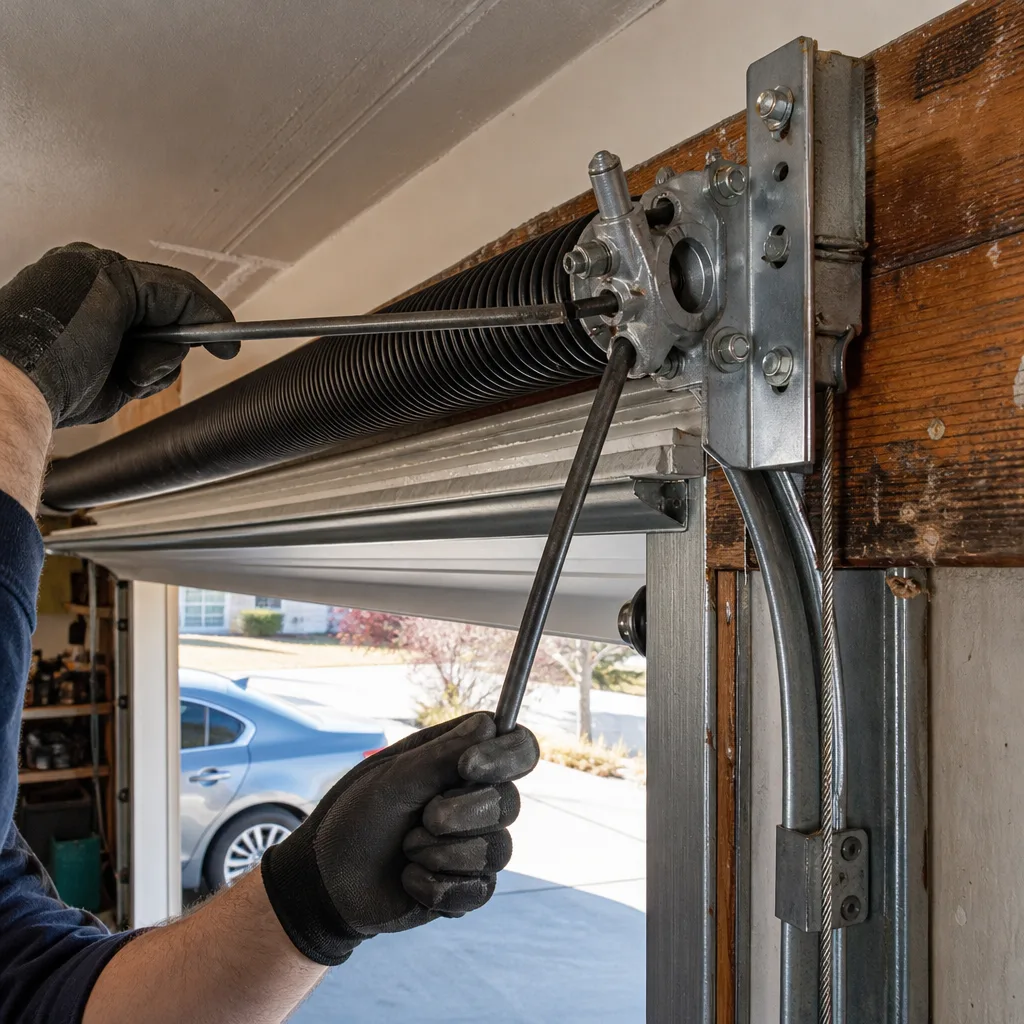
Torsion springs are steel coils under extreme tension. They hold the door’s weight against gravity every time it opens and closes, and each cycle works them a little. When the temperature in Thornton drops below freezing, that steel stiffens and the spring’s resistance changes. The opener has to work harder to lift the door, and the spring has to carry that extra load longer. That’s why winter is the season when broken cables and spring failures cluster.
How to recognize overtension signs before failure
You don’t need a spring gauge to spot a stressed system. Watch for these signals on a cold morning:
- Loud pops or bangs from above the door during its cycle.
- A door that lifts the first foot, then hesitates or reverses.
- Visible separation in the spring coil itself – closed coils should look even and tight; gaps between them are a warning.
- A visible kink or frayed end in the cable running along the side of the door.
- The door hanging unevenly from one side, or visibly tilted.
- Rust on the spring or cable – corrosion weakens the steel and makes cold failures more likely.
If any of those show up, stop using the door and call for a professional inspection. Do not try to adjust a torsion spring or tighten a cable. These are among the most dangerous components in a residential garage, and the tension stored in a wound spring can release with lethal force. Springs are under extreme tension – this is not a DIY repair.
What you can safely do in winter
Keep the door’s cycle smooth with a thin coat of low-temperature grease on the hinges and rollers every few weeks. Brush snow out of the bottom seal track so the door can seat properly. Keep the opener’s remote batteries fresh – a dead remote in a cold car looks like a broken opener, and it costs a diagnostic call to find out it was just a battery.
If the door stops responding entirely, our team can help through garage door opener repair. A technician can usually tell within a few minutes whether the opener has failed, a safety sensor is out of alignment, or the door itself is binding and the opener is doing its job by refusing to force it.
Spring Care: Freeze-Thaw and the Sealing Problem
March in Thornton means daytime thaw and nighttime refreeze for several weeks. The ground around a garage slab swells and settles, and the door has to keep sealing against a floor that’s moving a fraction of an inch. That’s why a door that sealed perfectly all winter can suddenly show daylight underneath in early spring.
What heaving does to the threshold
Most garage floors sit on a poured slab that isn’t fully insulated from the soil beneath it. When the soil freezes and thaws, it lifts slightly in one area and settles in another. The door’s bottom seal follows the door, not the floor. A floor that has heaved up half an inch in the center of the opening will push the seal into contact at the center while leaving gaps at the corners, or vice versa.
If you see light under the door in March and the bottom seal itself looks intact, the issue is more likely the floor than the seal. Two fixes are common: a heavier bottom seal that can absorb more variation, or a threshold seal added to the floor line to bridge the gap. A professional can tell from a look at the seal and the slab which one you need.
Freeze-thaw effect on springs and cables
Freeze-thaw cycling also produces the year’s highest cadence of door cycles. Homeowners come and go more in spring, and every open and close is one more cycle on the spring. If the spring was already near the end of its service life, March often tips it over. That’s why spring failures in Thornton cluster at both ends of the winter: first cold snap and first thaw. The symptoms are the same in both seasons – a door that suddenly won’t lift, a bang from above the door, or a door hanging at an angle. In either case, stop using it and call for help.
When a spring does break, a matched pair is usually replaced together, because a new spring next to an old one wears unevenly. We handle that as a dedicated repair through garage door repair, and the technician will quote the pair before any work starts.
Numbered spring-transition checklist
- Inspect the bottom seal and floor contact for new gaps or daylight.
- Watch the spring cycle on a cold morning and listen for pops or bangs.
- Look at the spring coil for gaps or rust, and check the cables for fraying.
- Test the door’s balance by hand with the opener disconnected.
- If anything looks wrong, stop using the door and schedule a professional inspection.
Summer Care: UV, Heat, and Thermal Expansion
Summer in Thornton is mostly dry, bright, and hot. That’s a different kind of stress than winter’s cold, but it still affects the door – and a lot of homeowners don’t think about summer maintenance because nothing fails dramatically until a heat wave pushes an opener to its limit.
UV degradation on vinyl and fiberglass panels
Vinyl and fiberglass garage door panels fade, chalk, and lose surface finish under sustained UV exposure. A south- or west-facing door takes the brunt. Mild chalking is cosmetic, but unchecked UV damage on fiberglass can lead to hairline cracks that let moisture in and eventually compromise the panel. A yearly wash and a UV-protective clear coat on fiberglass panels extends their life. On steel doors, the UV story is less about the panels and more about the paint – a faded or peeling finish leaves the steel underneath exposed to rust.
Thermal expansion in aluminum tracks
Aluminum tracks expand in the heat. A track that was perfectly plumb in April can bow or bind slightly in July, and a door that suddenly rubs on one side in summer is often telling you the tracks have moved. Don’t try to force the door past a bind – that’s how rollers get broken and panels get bent. If the door scrapes or sticks, have the tracks inspected and adjusted.
Opener heat thresholds for LiftMaster and Genie units
Openers are built with thermal protection to keep the motor from overheating. On very hot afternoons, a LiftMaster or Genie unit can trip its internal limit if it’s cycling repeatedly or if the door has started to bind. The symptom is usually a door that works fine in the morning but stops responding in the afternoon. If that pattern repeats, the opener isn’t the issue – the door is, and the opener is protecting itself. A quick diagnostic can confirm whether the opener has failed or is doing its job by refusing to force a stressed door.
If the opener does need repair or replacement, our garage door opener repair work covers LiftMaster, Chamberlain, Genie, and Craftsman systems as well as the other major brands.
The Thornton Month-by-Month Task Card
This card is built for Thornton’s NOAA climate pattern – the dry, cold winters and the sharp spring thaw – rather than the generic “four seasons” framework. Use it as a checklist and adjust to the door’s age and condition.
- January: Watch for pops or bangs on the coldest mornings. Keep the bottom seal clear of snow. Check remote batteries.
- February: Note any hesitation or reversal on the cycle. Schedule a professional inspection if anything new has shown up.
- March: Inspect the bottom seal and floor contact for daylight. Watch for signs of spring fatigue. Get the spring and cable inspected if the door is over five years old.
- April: Test the balance and full cycle. Clear the tracks. This is also the last call before summer heat.
- May: Wash the panels. Check for paint fade or peeling on steel doors.
- June: Inspect fiberglass and vinyl panels for chalking, cracking, or surface wear.
- July: Watch the tracks for binding in the heat. Note whether the opener hesitates in the afternoon.
- August: Listen for new scraping or rubbing sounds. Schedule a professional adjustment if the door has begun to bind.
- September: Begin the fall prep – inventory the door’s condition after summer.
- October: Replace the bottom seal if it’s worn. Swap to low-temperature lubricant rated below -20°F. Inspect all weatherstripping.
- November: Check the opener’s safety reverse. Confirm the door closes fully and evenly.
- December: Keep the bottom seal clear of ice and the tracks free of debris. Watch the balance on very cold mornings.
A door that gets serviced professionally in October and March is in a different class than one that only gets attention when it fails. Those two months are the inflection points of a Thornton garage door’s year, and they’re worth planning around.
Brand-Specific Notes: Clopay, Amarr, LiftMaster, Genie
Garage door care is easier when the technician knows the door and opener on your house, rather than walking up and guessing. Here’s what to know for some of the common brands on Thornton doors.
Clopay
Clopay is one of the largest residential door brands, and a lot of Thornton homes have one in the driveway. Clopay builds doors with a range of bottom seal profiles, which is why matching the seal by profile rather than forcing a generic strip matters when you replace it. Clopay steel doors also benefit from an annual paint inspection, especially on south-facing panels.
Amarr
Amarr doors are common on newer construction, and their sectional profiles vary enough that the seal, hinge, and roller parts aren’t universal. If your Amarr door’s seal has hardened or a roller has gone bad, the right part makes the difference between a door that seals and a door that drafts. An Amarr panel replacement also needs the right panel profile, not just a close color match.
LiftMaster
LiftMaster openers are the most common residential units in the Thornton area, and they’re generally reliable. Most of the failure modes we see are predictable: the motor overheats in summer if the door is binding, the safety sensors get knocked out of alignment, and the battery in the remote dies. If the opener stops responding, the first thing to rule out is the door itself.
Genie
Genie openers are the other most common residential brand on Thornton doors. The heat limits and safety features are similar to LiftMaster’s, and the same logic applies. Genie units that struggle in summer heat usually do so because the door is heavier than it should be. A smoother door often solves an opener problem without replacing the opener.
Our technicians work on whatever is on your garage – LiftMaster, Chamberlain, Genie, Clopay, Amarr, Wayne Dalton, Craftsman, and Raynor – with no brand bias and no upsell pressure. For a full door replacement, garage door installation can handle the measure, order, and setup.
Common Mistakes to Avoid
- Waiting for a failure instead of servicing before the freeze. A bottom-seal replacement in October costs a fraction of a winter repair. Homeowners who wait for a bang from above the door are always paying for a repair that preventive care would have avoided.
- Using standard garage door lubricant in Thornton winters. Standard grease rated to 0°F stiffens in a 20°F morning and puts extra load on the opener, which is exactly when cold springs are already working harder. Low-temperature grease rated below -20°F is the right call.
- Forcing a door that has stopped sealing at the bottom. If the door won’t close flat on a March morning, the problem is usually the floor or the seal, not the door itself. Forcing it past the resistance can bend a panel or damage a roller.
- Adjusting a torsion spring or tightening a cable. Springs are under extreme tension and cables can release without warning. Leave both to a trained technician. A homeowner should never touch either.
- Ignoring UV wear on a fiberglass or vinyl door. Chalking and fading look cosmetic, but unchecked UV damage on fiberglass turns into hairline cracks. A yearly wash and a UV-protective clear coat extend the panel life substantially.
- Assuming the opener is the problem when the door is binding. In summer heat, LiftMaster and Genie units often stop working simply because the door is pulling harder than the motor can safely manage. A diagnostic call is usually cheaper than an opener replacement.
- Skipping the fall and spring balance check. A balanced door is easier on the opener in every season. If the door won’t hold at half height when you disconnect the opener, the springs or cables need attention.
When to Call a Professional
Some seasonal tasks belong to you: bottom seal inspection, low-temperature lubrication, remote battery replacement, and a visual check of the springs and cables. Others belong to a trained technician: anything that involves a torsion spring, a cable, a track adjustment, or a door that no longer cycles smoothly. Springs are under extreme tension and are among the most dangerous components in a residential garage – this is not a DIY repair, and the risk isn’t worth the savings.
Call a professional if you see a broken spring, a frayed or kinked cable, a door that hangs unevenly, or a door that reverses or stops partway through its cycle. Call immediately if the door has come off its track or if you’ve lost hold of it while it was cycling. A malfunctioning door is a security and safety issue, not something to wait on until a convenient day.
Thornton Garage Door Repair Pros offers free estimates in Thornton – call (866) 947-9572. We answer 24/7. Fast dispatch from 7am to 7pm, Sunday through Friday.
Frequently Asked Questions
October is the deadline. The first morning below 20°F is the most common time for a Thornton garage door emergency, and a door serviced in October usually skips that call. Book the inspection before the first cold snap – a bottom seal replacement and a lubricant swap in the fall cover most of what winter asks. If your door hasn’t been professionally inspected in a while, call (866) 947-9572 for a free estimate.
Anything rated to 0°F is too thin for Thornton winters. You want a low-temperature lubricant rated below -20°F on the hinges, rollers, and torsion bearing plates. Standard grease below 20°F stiffens enough to add real load to the opener, and that’s the same load the cold springs are already working against. Ask for the rating when you buy – a few dollars more per tube makes the difference.
In most Thornton cases, a door that suddenly stops sealing in March is telling you the floor has moved, not that the door failed. Freeze-thaw heaving lifts or settles the slab a fraction of an inch, and the bottom seal follows the door instead of the floor. A heavier bottom seal or a threshold seal added to the floor line usually fixes it. If you see light under the door, have it checked before the next freeze – call (866) 947-9572.
Openers are built with thermal protection, and a unit that stops responding in the afternoon heat is usually protecting itself. The most common cause is a door that has started to bind – the opener isn’t the problem, the door is. A LiftMaster or Genie unit that works fine in the morning and stops in the afternoon is telling you something. A quick diagnostic can confirm it. Call (866) 947-9572 for an exact quote – estimates are free.
Yes. The local professionals we connect you with are licensed and insured as their state requires, and our technicians have up to 12 years of experience. Thornton Garage Door Repair Pros works on the major residential brands including Clopay, Amarr, LiftMaster, Genie, Chamberlain, Wayne Dalton, Craftsman, and Raynor. Whatever is on your garage, one call covers it – (866) 947-9572.
Emergency garage door service is part of our core offering, not an add-on. We answer 24/7. Fast dispatch from 7am to 7pm, Sunday through Friday. A call outside dispatch hours is booked into the next opening. If a door fails and the routine depends on it, call (866) 947-9572 and we’ll get you scheduled as quickly as possible.
The Bottom Line
Thornton’s four seasons don’t stress a garage door equally. October’s first freeze and March’s freeze-thaw cycling are the two real inflection points, and a maintenance calendar that ignores them leaves homeowners reacting to problems that were predictable months earlier. Replace the bottom seal and swap to low-temperature lubricant before the freeze. Check the floor contact and spring condition when the thaw comes. In summer, watch for UV wear on fiberglass and vinyl, thermal expansion in the tracks, and LiftMaster or Genie openers that hesitate in the heat. Do all of that and the door will cycle smoothly through the year. Miss it, and the first cold morning will tell you. For a professional inspection anywhere in Thornton, Thornton Garage Door Repair Pros offers free estimates – call (866) 947-9572. We answer 24/7. Fast dispatch from 7am to 7pm, Sunday through Friday. The price is quoted and agreed before any work starts, and the written estimate is the price you pay.
Written by the team at Thornton Garage Door Repair Pros.
See the difference
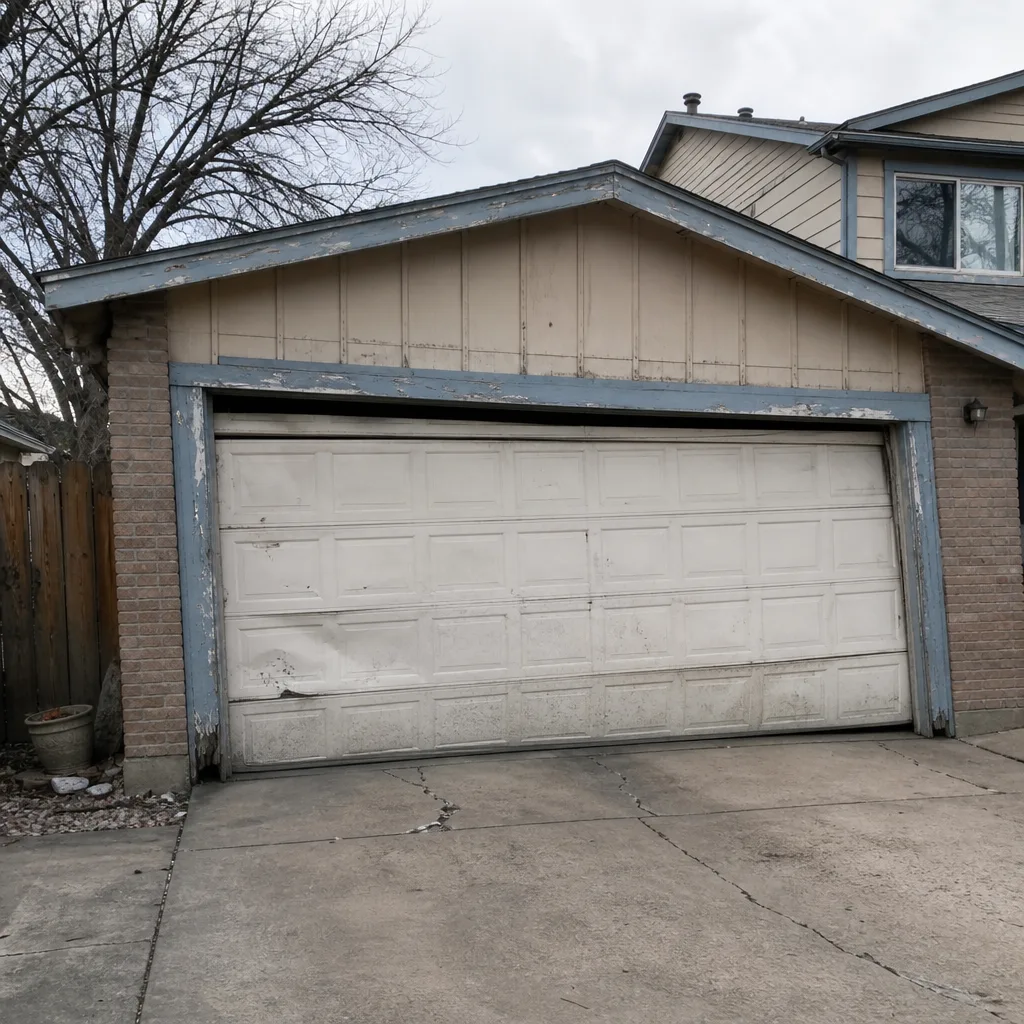 Before
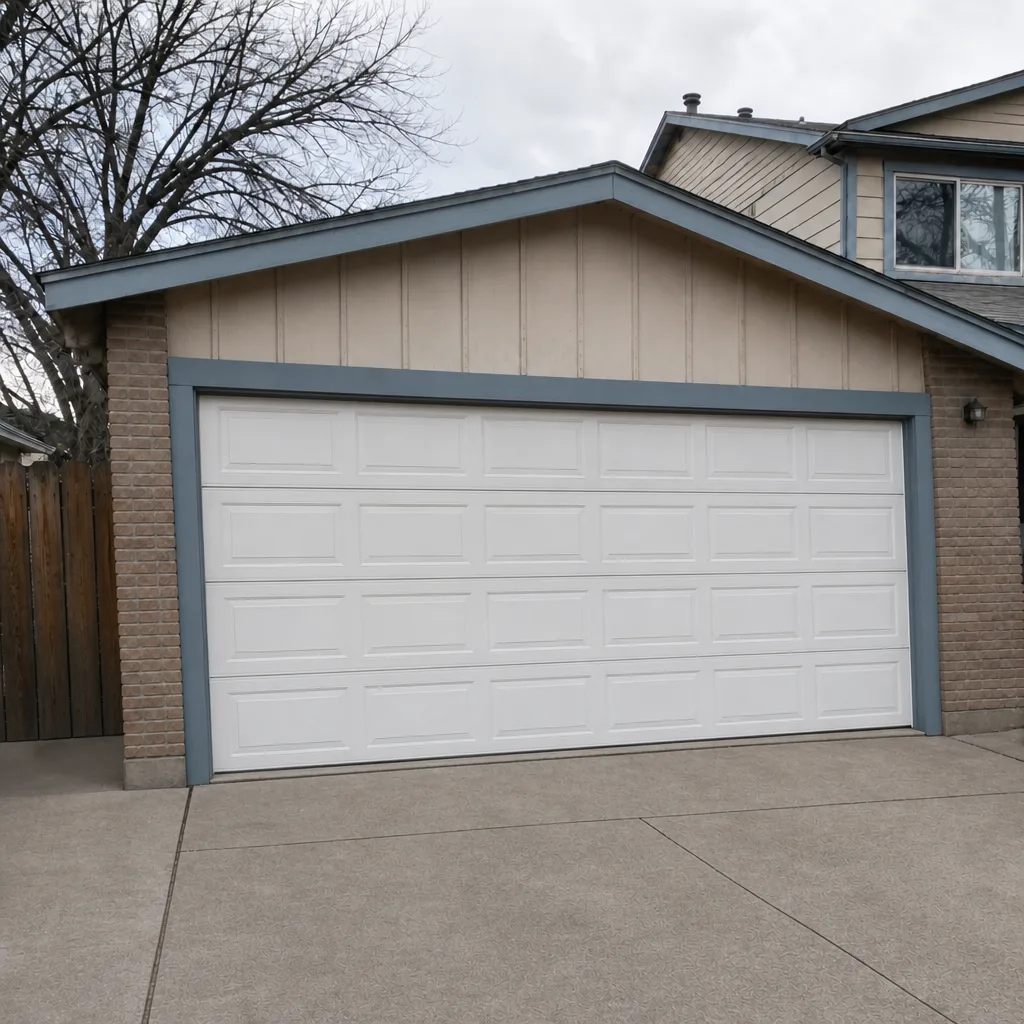 After
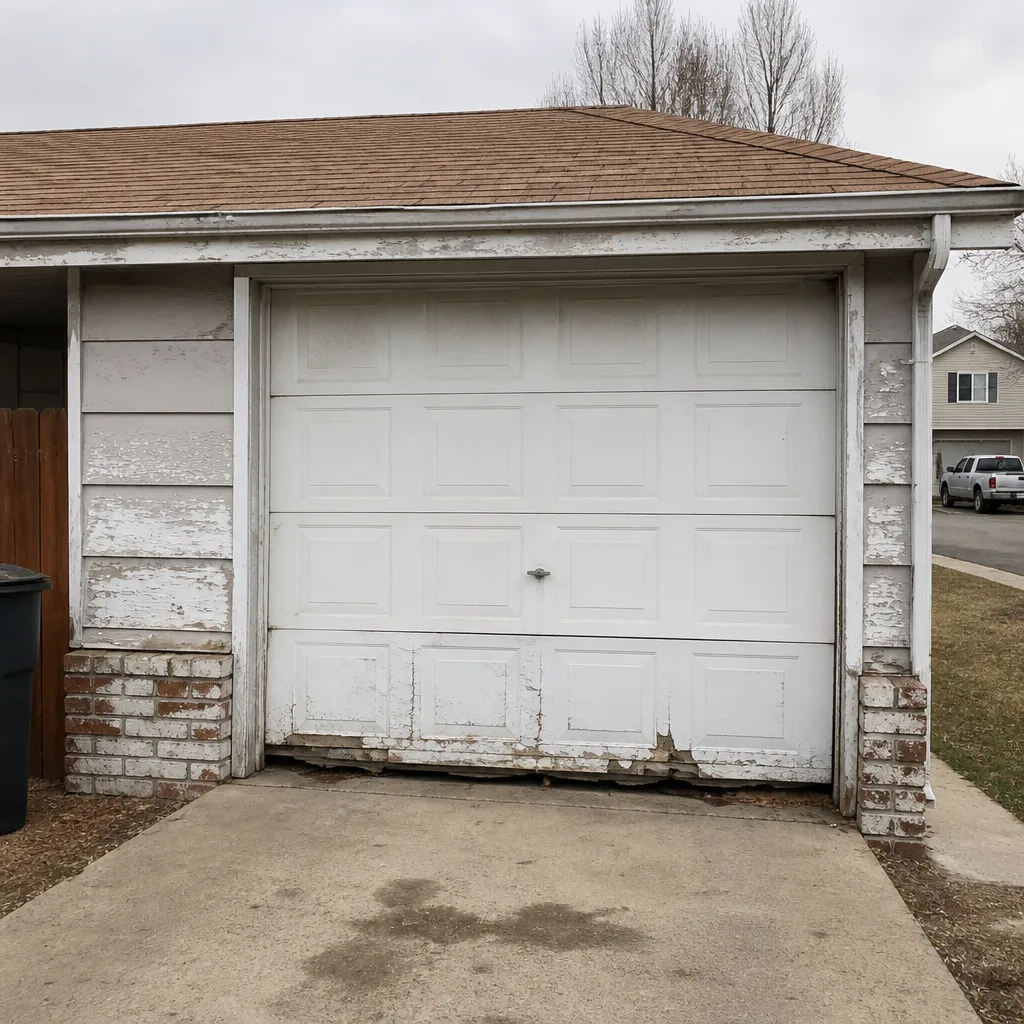 Before
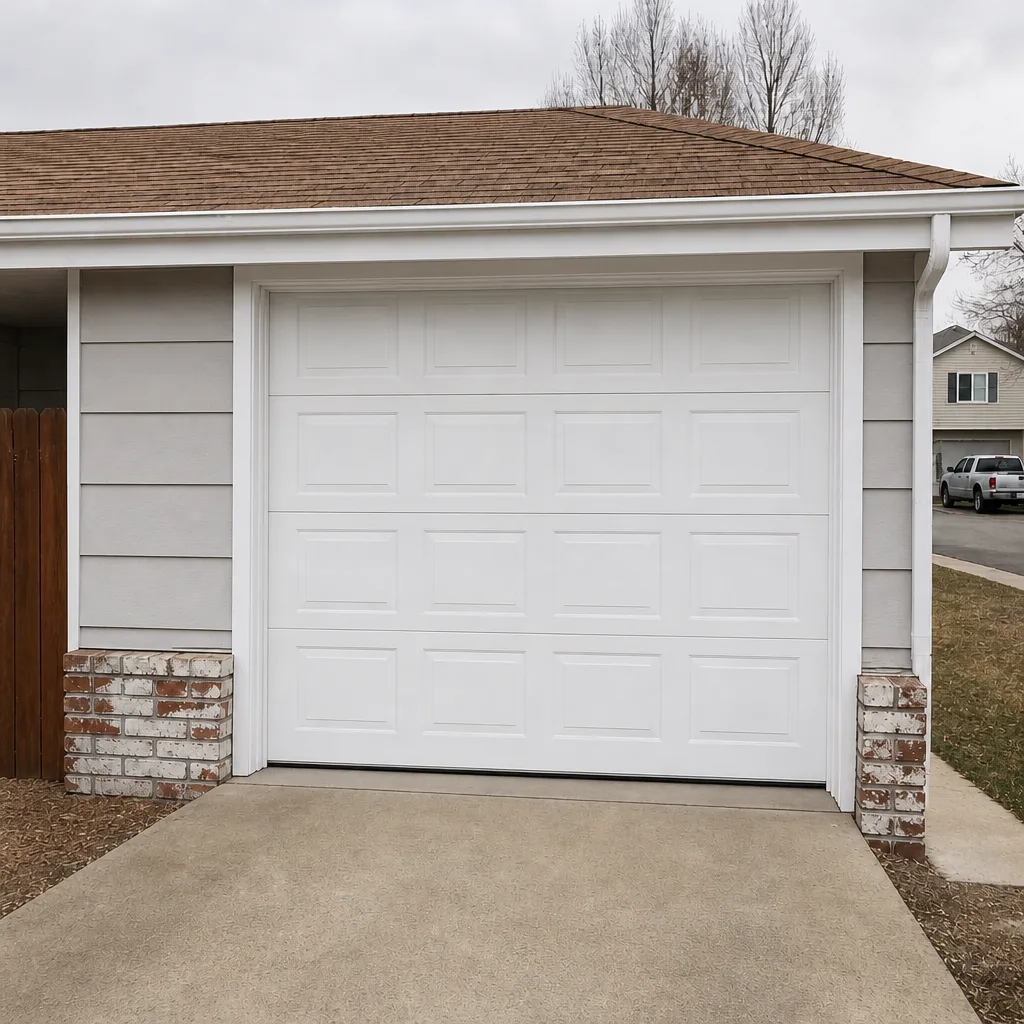 After
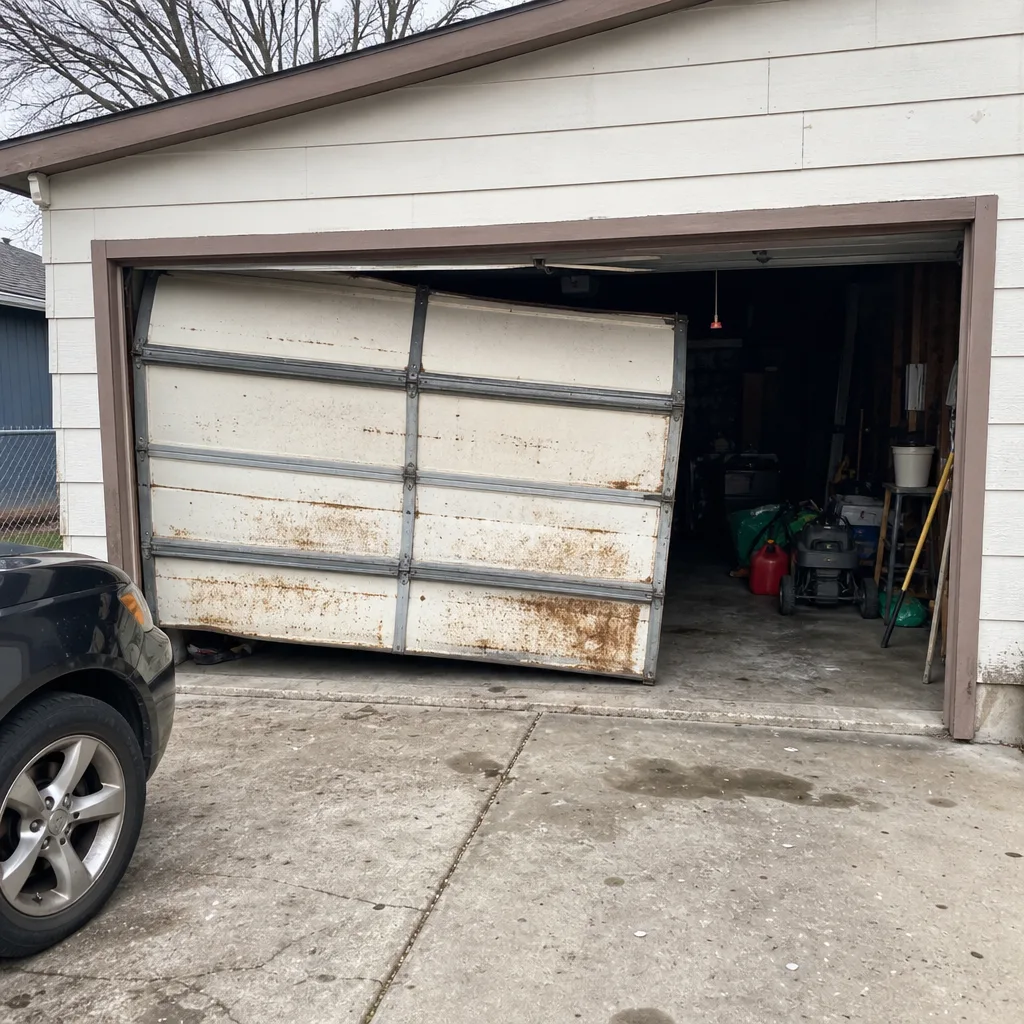 Before
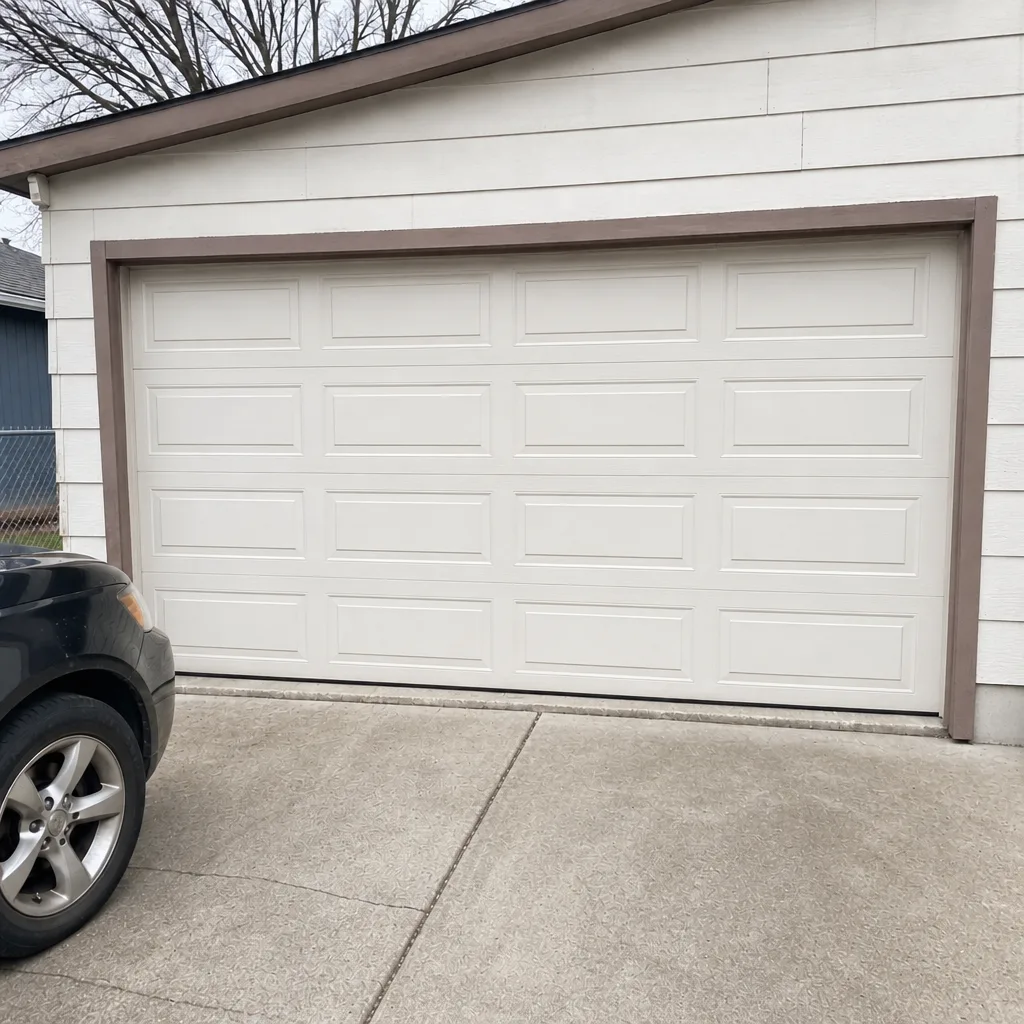 After