
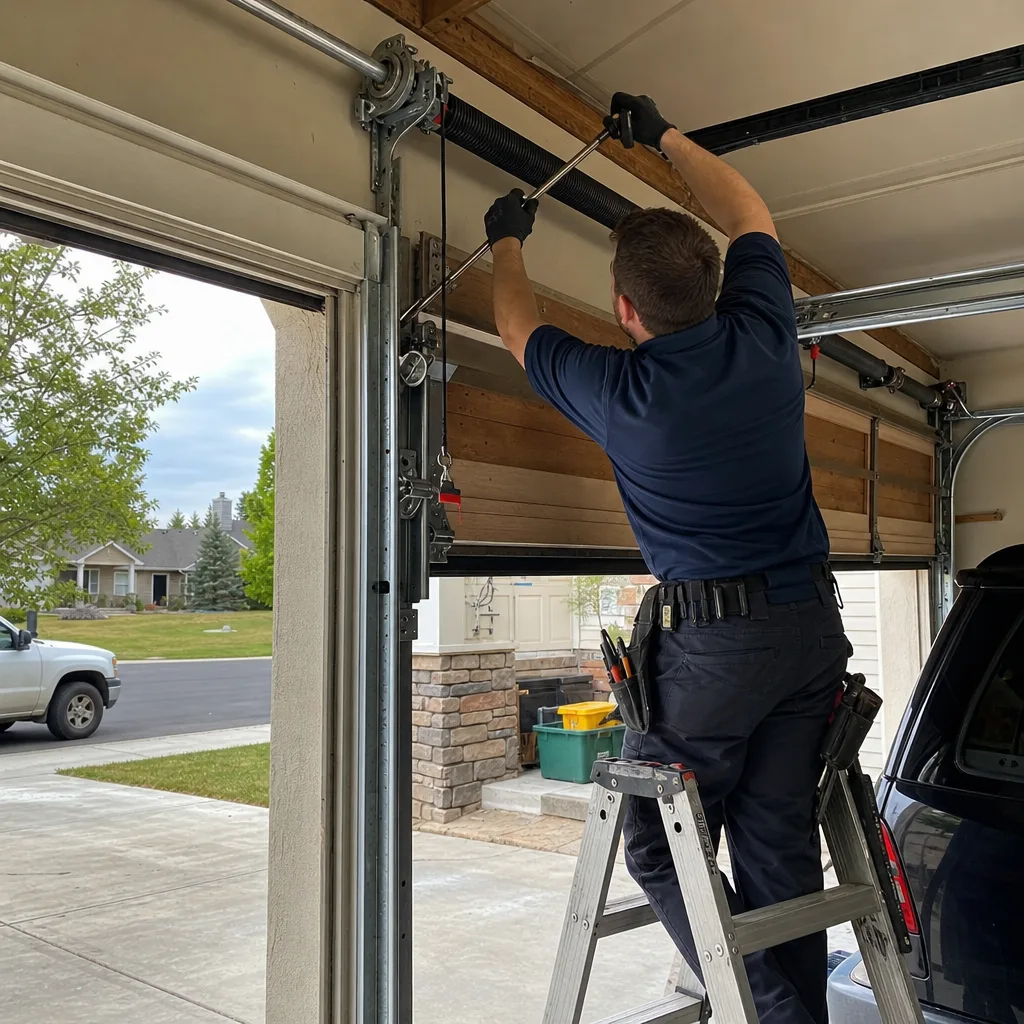
Last updated November 23, 2026
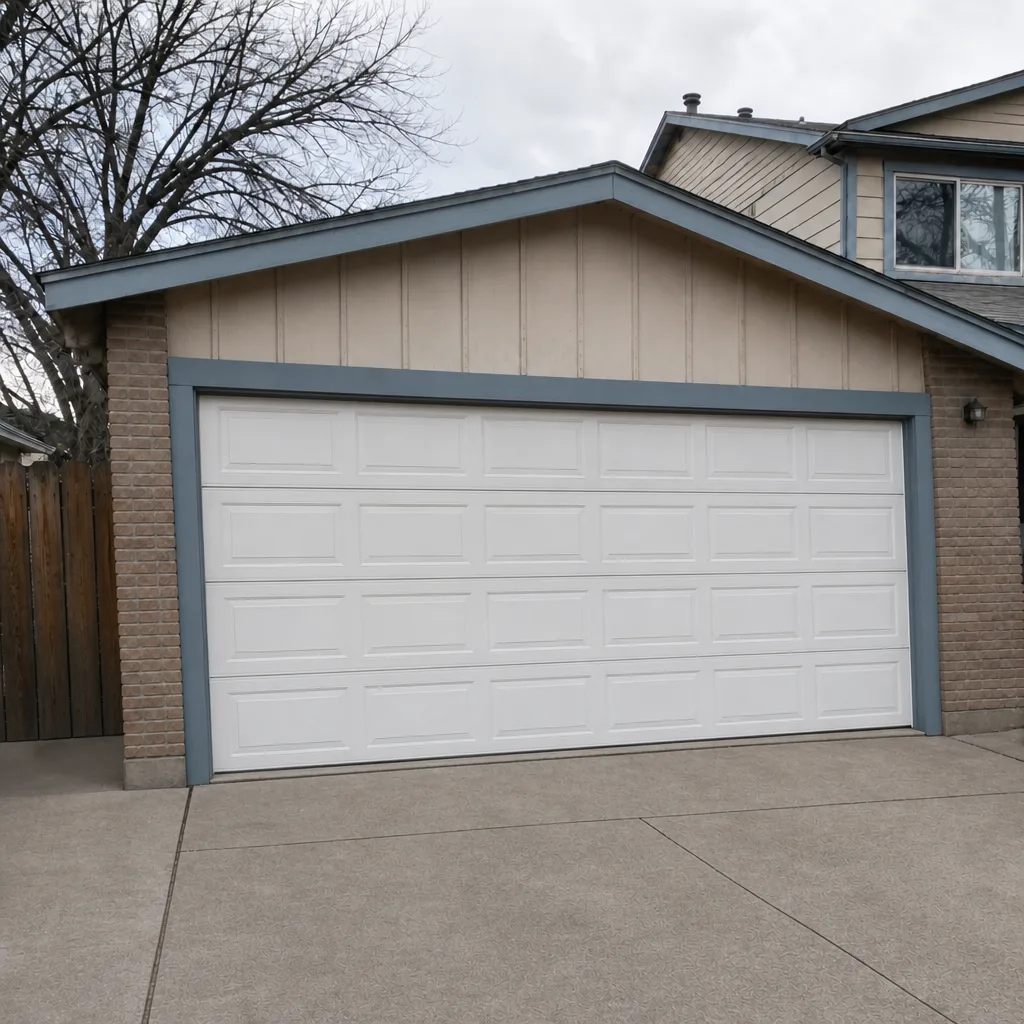
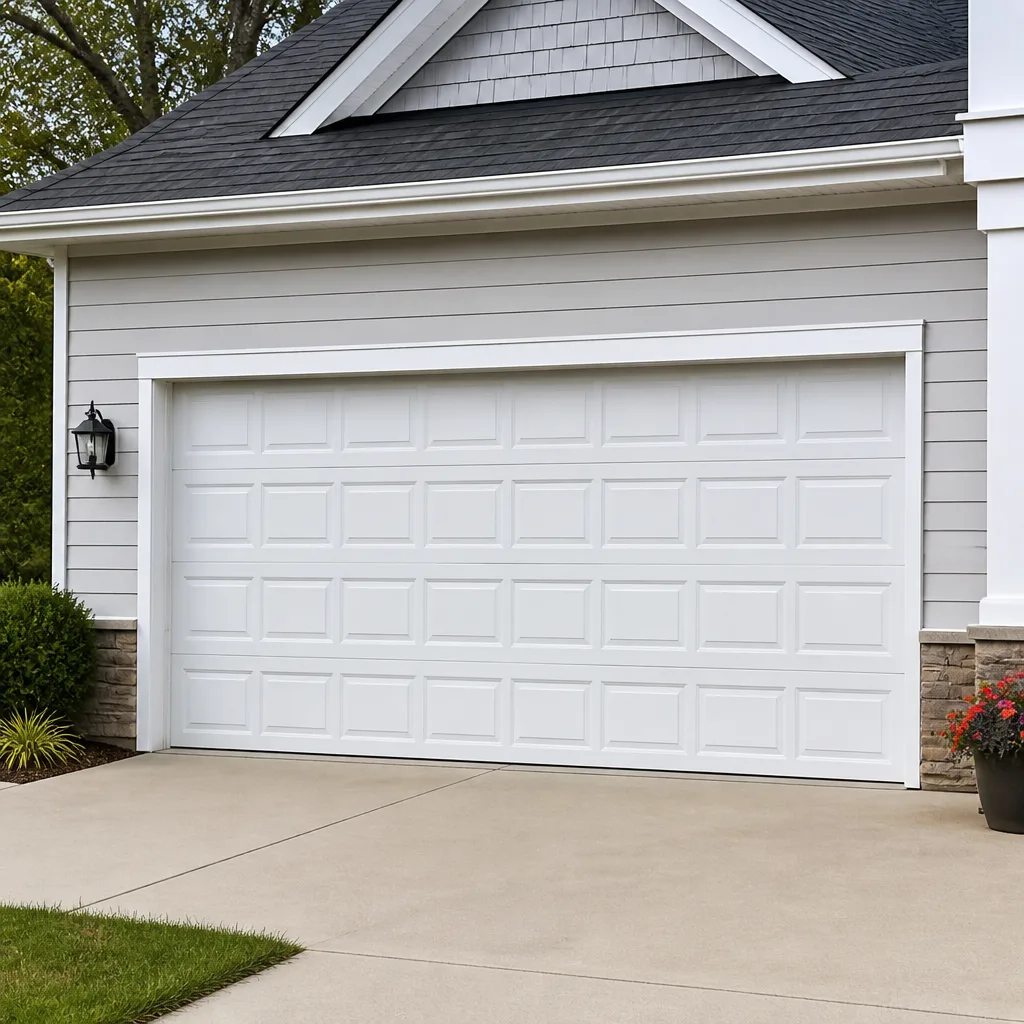 Raised-panel steel
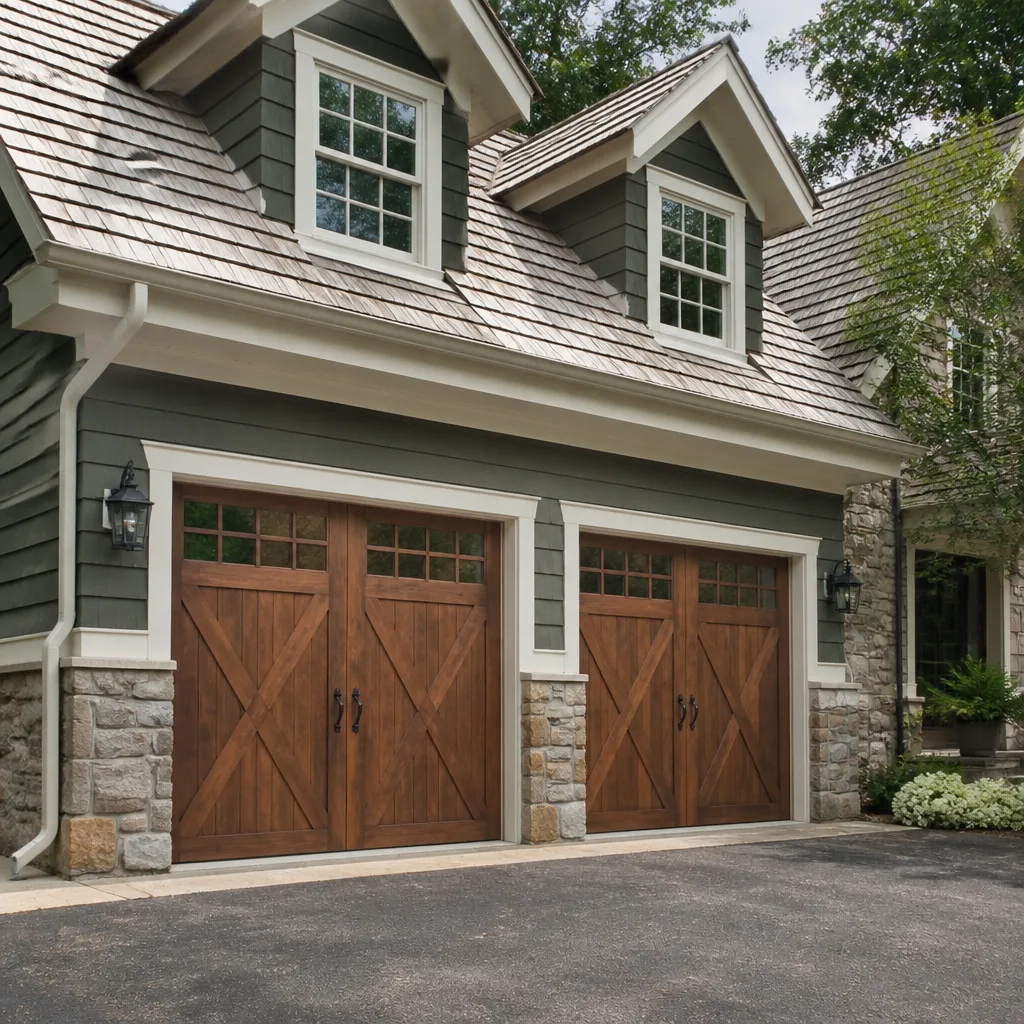 Carriage house
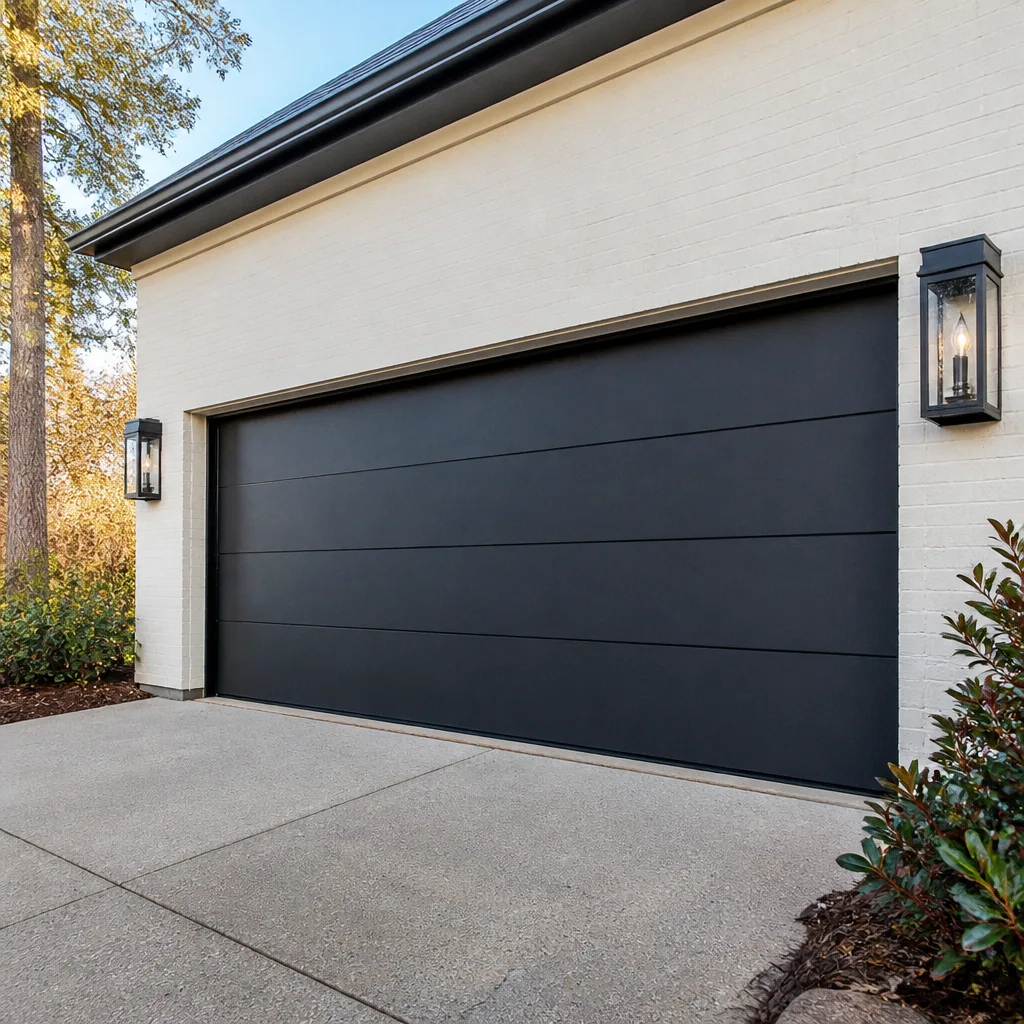 Modern flush
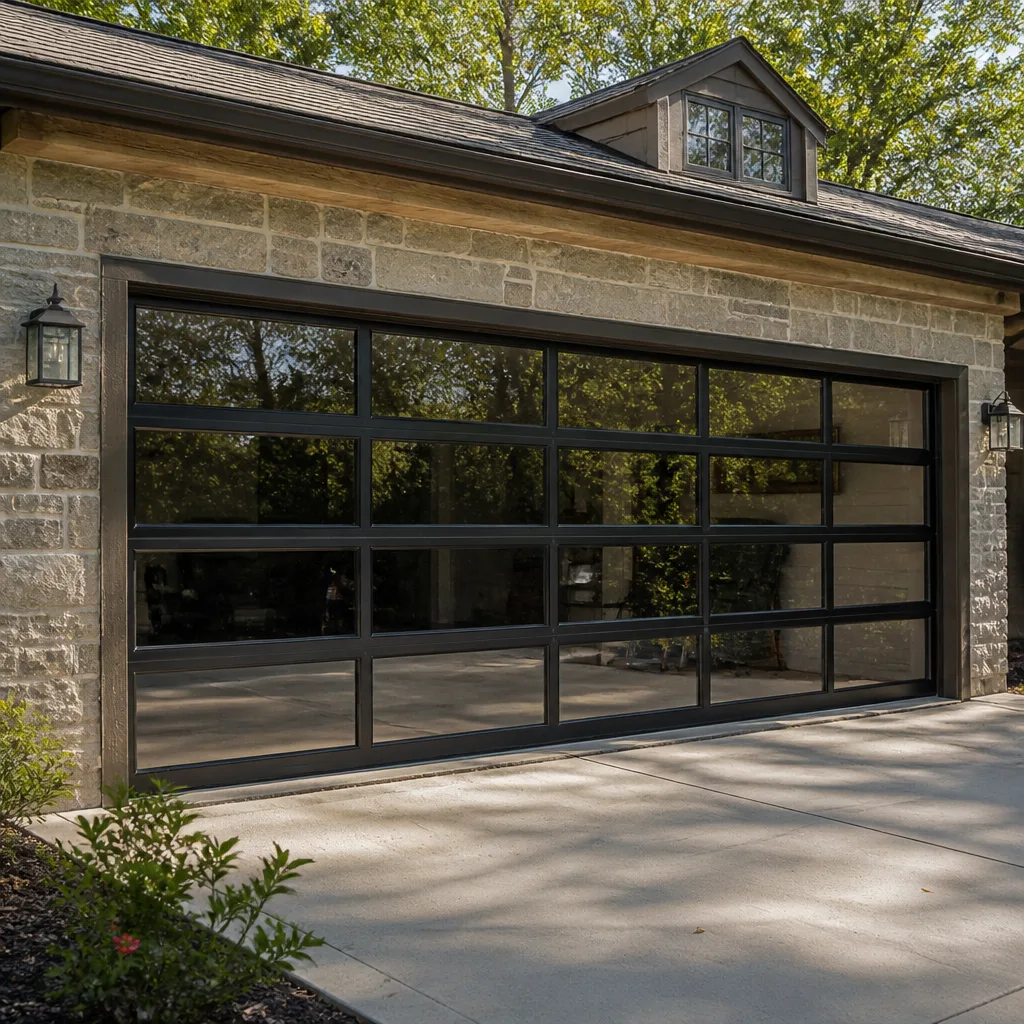 Full-view glass
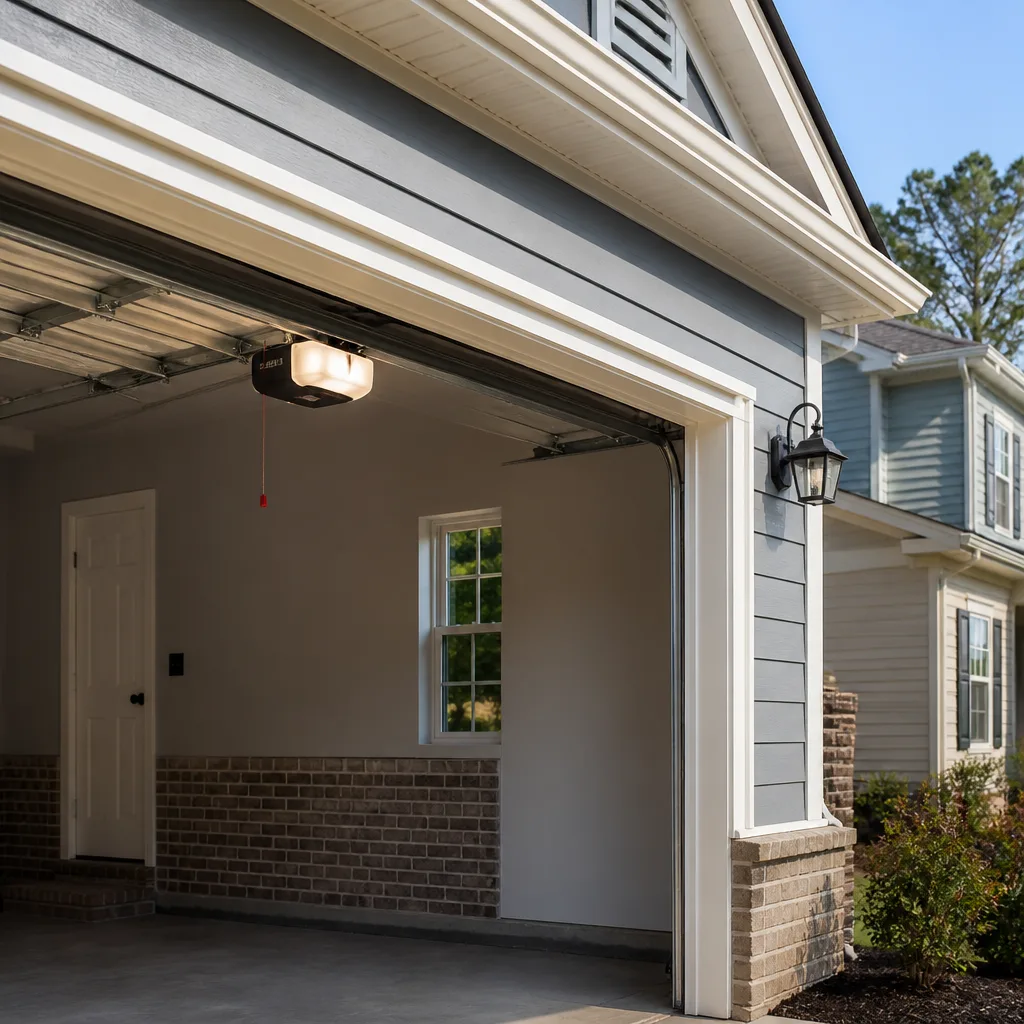 LiftMaster openers
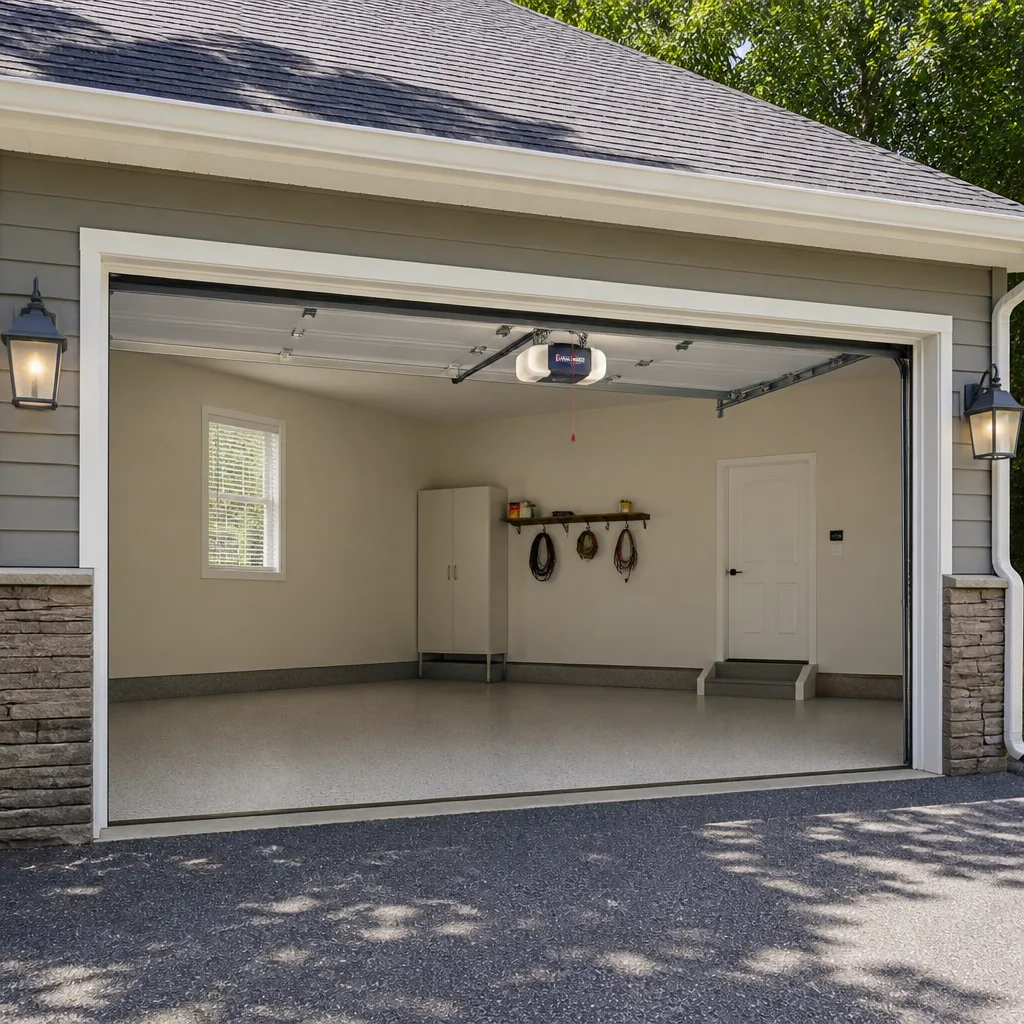 Chamberlain openers
Full 25-point door and opener safety check with every visit - springs, cables, rollers, tracks, and your LiftMaster or Chamberlain opener included
You get a price before we start. It does not change when the pro arrives.
Get your free estimateDIY vs Professional Garage Door: The Thornton Homeowner’s Decision Guide
Most homeowners think the DIY-or-call-someone question is a test of confidence. It isn’t. A garage door is a balanced mechanical system where a handful of parts – weather seals, photo-eye sensors, opener logic boards – are genuinely within reach, and a few others carry stored energy that can hurt you badly if you get it wrong. Torsion springs are the clearest example: a wound spring on a standard 16×7 door stores enough force that releasing it incorrectly is dangerous, not “tricky.” This guide sorts the jobs into what you can honestly do yourself and what shouldn’t be attempted, with Thornton specifics so you can decide without guessing.
Quick Answer
You can safely DIY the low-risk jobs: weatherstripping, lubrication, photo-eye alignment, remote and keypad reprogramming, and visual inspections. You should not touch torsion springs, extension springs, cables, or a track that has shifted – those require a technician. Everything in between, like a worn roller or a noisy opener, is a judgment call. When in doubt, a free estimate from a Thornton specialist costs you nothing and tells you whether the job is a $30 fix or a system problem.
Styles & brands we work with
- Raised-panel steel
- Carriage house
- Modern flush
- Full-view glass
- LiftMaster openers
- Chamberlain openers
Table of Contents
- Why This Isn’t Really a Skill Question
- Safe DIY: The Jobs You Can Genuinely Handle
- Professional-Only: The Jobs That Carry Real Risk
- What Tools You Actually Need
- Opener DIY: What LiftMaster and Chamberlain Allow
- The Cost Math on a Failed DIY Attempt
- Recognizing Mid-Task That You’ve Hit a Bigger Problem
- Thornton-Specific Considerations
- When to Call a Professional
- Frequently Asked Questions
- The Bottom Line
Why This Isn’t Really a Skill Question
Anyone who’s watched a garage door work for years can be forgiven for assuming the mechanics are simple. They’re actually a carefully balanced system: the springs counterbalance the door’s weight, the cables transfer that counterbalance to the bottom corners, the tracks guide the travel, and the opener mostly just nudges a door that already wants to move. Remove the counterbalance from that equation and a 200-plus-pound door becomes a falling object. That’s the core reason the DIY question isn’t about skill – it’s about which parts of the system are holding stored energy.
Torsion springs, which mount on the header above the door and run horizontally, are wound during installation and hold that tension for years. Extension springs, common on older doors, stretch along the sides. Both store energy. A cable that snaps while a spring is still wound can whip with real force. A track that’s been bumped out of plumb can cause the door to bind and then drop. None of these situations reward confidence; they punish the assumption that a YouTube video closes the knowledge gap.
Where homeowners genuinely have room to work is the perimeter: seals, sensors, lubrication, and the electronics of the opener. Those jobs don’t interact with the counterbalance, and getting them slightly wrong costs you a few dollars or a call, not a trip to the emergency room. Thornton’s dry climate and temperature swings add a wrinkle – seals crack faster, and hardware loosens at the bolts – but they don’t change the categories.
We’ve repaired plenty of doors across Thornton after a homeowner started with the intention of saving money and stopped mid-job when they realized what was in front of them. That’s the right instinct. The point of this guide is to help you recognize that moment before you’re in it.
Safe DIY: The Jobs You Can Genuinely Handle
There’s a real list of garage door tasks that don’t interact with the counterbalance system, and a capable homeowner can do all of them with basic tools and a little patience. These are the jobs where a mistake means a redo, not an injury.
Weatherstripping and bottom seals
The rubber seal along the bottom of the door and the strips around the frame do the work of keeping out wind, dust, and the occasional field mouse that wanders into a Thornton yard. When the seal gets stiff and cracked, the door lets in cold air in winter and dust all year. Replacing a bottom seal is a straightforward job: measure the width, buy the right profile, slide the old one out of the retainer, and slide the new one in. No tools beyond a utility knife and a tape measure for most doors. Frame weatherstripping is a little fussier because it’s nailed or stapled, but it’s still an afternoon job.
Photo-eye sensor alignment
The two small sensors mounted at the bottom of the tracks on either side of the door need to see each other. If they don’t, the door reverses or refuses to close. A bumped sensor, a cobweb, or a small shift in the bracket is usually the culprit. Wipe the lenses, check that the indicator lights on both sensors are solid, and gently adjust the bracket until they are. This is a 10-minute fix and doesn’t require touching anything under tension.
Lubrication
A squeaky door is almost always a dry hinge, roller, or track. A silicone-based lubricant on the hinges and rollers and a light wipe of the tracks (never grease on the tracks themselves – it attracts grit) quiets the system and slows wear. Avoid spraying anything into the spring assembly. Spring coils aren’t meant to be lubricated, and the risk of getting fingers or tools near them isn’t worth the noise reduction.
Remote and keypad reprogramming
If you’ve replaced a remote, changed the battery, or want to add a keypad, reprogramming is fully within your reach. LiftMaster and Chamberlain openers both use a “learn” button on the motor head that pairs a new remote in a few seconds. Genie and Raynor systems have their own pairing sequences, but they’re all documented in the manual and don’t require any physical intervention on the door itself.
Visual inspection
Walk around the door once a month. Look for frayed cables, springs with visible gaps or rust, loose bolts on the hinges, and a door that hangs crooked when partly open. You don’t need to fix what you find; you just need to know. That kind of early notice is what keeps small problems from becoming a snapped spring on a Sunday morning when you’re trying to get the car out.
Professional-Only: The Jobs That Carry Real Risk
The line between “I can handle that” and “call someone” isn’t arbitrary. It falls at anything that holds or transfers stored energy, anything that involves the structural alignment of the door, and anything that could put a person in the path of a falling or whipping component. Here’s where that line sits.
Torsion springs and extension springs
Springs are the single most dangerous component in a residential garage door system. A torsion spring is wound to a specific number of turns, and releasing that tension incorrectly can break the spring, whip the winding bars, or injure the person nearby. Extension springs on older doors carry the same stored energy, and if an old spring lets go it can send hardware flying. Replacing either type requires winding bars, knowledge of how to calculate the correct turns for the door’s weight, and a controlled way to release the tension before anything else is touched. This is not a job where a homeowner’s first attempt should be on their own door.
Cable replacement
Cables run from the bottom corners of the door to the drums at the top of the shaft. When a cable frays or snaps, the door becomes unbalanced, and if the spring is still under tension, replacing the cable requires releasing that tension first. Doing the cable before the spring is released is the classic DIY mistake – and it’s how a $40 cable job turns into a much bigger repair.
Track realignment with structural issues
A door that binds, scrapes, or hangs crooked when partway up usually has a track problem. Sometimes it’s a loose bracket that can be tightened. Sometimes the track has been knocked out of plumb, the header is out of level, or the framing behind the track has given way. You can’t tell which from the ground. A technician can measure the track and confirm whether the issue is a five-minute adjustment or a structural repair – and a door that comes off a bad track under load is a serious hazard.
Roller replacement on a wound system
Rollers themselves are easy to swap. The problem is that to safely replace a bottom roller or a hinge assembly, the door needs to be raised and secured, and if the spring is holding tension, the door isn’t fully under your control. On many doors, a professional will release the spring first. That’s why a job that looks like a five-minute roller change becomes a professional call.
Balance and travel adjustment
If your door won’t stay open halfway, drifts down on its own, or reverses before it hits the floor, the problem is usually balance or travel limits, not the opener. Balance adjustments require understanding the relationship between the spring tension and the door’s weight, and getting it wrong can cause the door to slam or reverse unpredictably.
What Tools You Actually Need
The temptation when reading a DIY guide is to build a tool list that exceeds the job. Here’s what a Thornton homeowner really needs to handle the safe tasks, and what you don’t need.
- A stepladder tall enough to reach the header area safely without standing on the top rung. This is for sensor work and inspecting the opener head, not for getting close to the springs.
- A multi-bit screwdriver for opener covers, sensor brackets, and hinge screws. A single Phillips/flat combo covers nearly everything on a residential door.
- An adjustable wrench or a basic socket set for tightening bolts on hinges and the sensor brackets. Doors loosen at the bolts more than homeowners expect, especially during Colorado’s temperature swings.
- Silicone spray lubricant for hinges and rollers. Not grease, not WD-40 (which is a solvent, not a lubricant), and nothing applied to the tracks or the spring.
- A tape measure for seal replacement and to confirm you’re buying the right profile.
- A utility knife for trimming the bottom seal to length.
- The opener manual, either the paper copy that came with the door or one downloaded from LiftMaster, Chamberlain, Genie, or Raynor. Every pairing sequence and force-limit adjustment lives there.
What you don’t need: winding bars, a spring release tool, cable pullers, or anything else designed for the counterbalance system. If you find yourself shopping for those, that’s your signal to stop and call.
On a safety note: if you’ve never worked on a garage door before, even the “safe” tasks are worth practicing carefully. Sensors and weatherstripping are forgiving. A door that drops on a finger is not. Keep hands clear of hinge pinch points whenever the door is in motion, and never leave a partly open door unattended if it’s on a manual release.
Opener DIY: What LiftMaster and Chamberlain Allow
Opener electronics are the area where manufacturers have the widest gap between “you can do this” and “this voids the warranty.” Understanding the difference saves you time and possibly a warranty claim.
What LiftMaster and Chamberlain usually allow: remote pairing, keypad programming, battery replacement, photo-eye alignment, and checking the force-limit settings via the learn button and LED codes. Both brands publish their pairing sequences, and their customer support lines will walk you through a re-pair. Force-limit adjustments on modern openers are usually done through the control panel on the motor head, and the manual explains the sequence. You can also clean and inspect the opener’s travel limits without opening the housing.
What typically voids the warranty: opening the motor housing, replacing the logic board yourself, splicing wires, or modifying the opener’s mounting. Once you’re inside the housing, the manufacturer no longer knows what happened, and any subsequent board failure gets attributed to your work. Genie and Raynor have similar boundaries. If you’re not sure which side of the line a task sits on, check the opener manual’s warranty section before you take the cover off.
A second consideration: even when a task is allowed, the diagnosis isn’t always obvious. A door that reverses on close could be a sensor, a travel limit, a force setting, or a binding track – and the correct fix depends on which one it is. If you’ve re-paired the remote and checked the sensors and the door still misbehaves, the problem is probably on the door side, not the opener side, and that’s when a professional diagnosis saves you from replacing parts that were never broken.
Our technicians work on LiftMaster, Chamberlain, Genie, Clopay, Amarr, Wayne Dalton, Craftsman, and Raynor systems, which means we’re not invested in steering you toward a particular brand. The diagnostic answer comes first. If you want to know whether your opener issue is a five-minute fix or a board replacement, our garage door opener repair service starts with a free estimate.
The Cost Math on a Failed DIY Attempt
There’s a specific failure mode we see repeatedly: a homeowner starts a spring or cable repair to save the cost of a professional call, discovers mid-job that the spring has to be wound down before the cable can be removed, and stops with the door in a dangerous state. The final bill for the technician to finish the job safely is almost always higher than if the call had been made first, because the technician now has to work around a partially disassembled system.
The math isn’t complicated. A worn cable is a modest repair on its own. But if the spring wasn’t properly wound down before the cable was touched, the cable job can become a cable-and-drum replacement, plus a spring replacement if the spring was damaged during the attempt, plus the technician’s time to make the door safe before any of that work begins. The principle is simple: the cost of the professional repair is fixed and known up front. The cost of a failed DIY attempt is open-ended, and it frequently lands higher than the repair estimate would have been.
Table of typical outcomes:
- Small DIY job (seal, sensor, lube, remote): a few dollars in parts, an hour of your time, and a job well done. Zero downside if you stop at the right moment.
- Spring replacement, done professionally: a fixed, quoted price before work starts. The written estimate is what you pay.
- Spring replacement, attempted and stopped: the professional cost plus the time to unwind or secure a partially disassembled door. Higher than if you’d called first.
- Spring replacement, attempted and the spring releases: injury risk, plus the cost of whatever the released component damaged on the way down.
- Cable replacement after a spring was released unexpectedly: cable, drums, and potentially a spring. This is the classic $40-attempt-becomes-bigger-repair scenario, and it happens regularly.
The other piece of the math that homeowners don’t always account for is the disruption. A garage door that’s stuck open is a security problem and a weather problem at the same time. In Thornton, a door stuck open in a summer thunderstorm or a winter cold snap turns into a house problem quickly. That’s why we keep garage door repair as a same-day service rather than a scheduled appointment – a door that can’t close needs attention today, not next week.
We quote every job before any work starts, and the written estimate is the price. No surprise invoice after the fact.
Recognizing Mid-Task That You’ve Hit a Bigger Problem
If you’ve already started a DIY job and you’re not sure whether you’ve crossed the line from “maintenance” to “professional territory,” here’s how to tell and what to do next.
Stop signals
- The door won’t stay open partway. If you let go of the door at halfway and it moves on its own, the balance is off, and balance is a spring problem. Do not try to adjust it by hand.
- You can see a gap in the spring. A spring with a visible gap is a broken spring, even if the door still moves. It has no stored tension to release safely, and it’s under load. Stop.
- A cable is slack or hanging. Slack cable usually means the spring has lost tension. Do not attempt to re-tension the cable without a professional releasing the spring first.
- The track is out of plumb. If you can see daylight between the door and the track, or the door scrapes going up, stop and get it assessed.
- You’ve opened the opener housing. If a board or wiring is visible and you’re not certain what you’re looking at, close it up and step away.
- Anything is wobbling or hanging by a thread. Loose brackets, bent hinges, or a roller that’s come out of the track are all stop-and-call moments.
What to do when you stop
- Leave the door where it is. If it’s open, close it gently by hand first (only if it moves freely), or leave it as is if it doesn’t. Don’t force it.
- Don’t touch the springs, cables, or anything under tension. If you’ve already loosened something, don’t tighten it back until a technician sees it – retightening a partially released component can cause a release.
- Keep family and pets away from the door. A stuck door is a falling-object risk until someone clears it.
- Call for a professional diagnosis. Tell us what you were trying to do and where you stopped. That description is worth a lot: it tells us what to bring and how to make the door safe before any repair begins.
- Don’t buy replacement parts until you know what’s actually broken. A stuck door is usually one problem, and buying parts for three possibilities costs more than a diagnosis.
There’s no shame in stopping mid-job. We’d rather see you call with the door in a stable state than call after something has released.
Thornton-Specific Considerations
A garage door in Thornton lives a slightly harder life than one in a milder climate. The temperature swings between a summer afternoon in the 90s and a winter morning well below freezing put real stress on seals, hinges, and spring steel. Rubber hardens and cracks faster here than in places where the temperature stays in a narrow band. That means weatherstripping and bottom seals need replacing more often than the manufacturer’s generic timeline suggests, and it means the visual inspection you do once a month is worth the five minutes.
Thornton’s housing mix matters too. Many of the neighborhoods built out over the past few decades – the older streets near the original town center as well as newer subdivisions on the eastern edge – have doors that are now at an age where the springs, rollers, and openers are all reaching the end of their first service life at about the same time. A door that worked fine for a decade can develop three small problems in the same year. That’s not a sign the door needs replacing; it’s a sign the system needs an inspection and a repair plan.
Wind is the other local factor. Thornton sits in a corridor where gusty days are part of the seasonal rhythm, and a door with a stiff seal or a slightly misaligned track can rattle and shift under a hard gust. If your door shakes when the wind picks up, that’s a track and seal issue, not a door problem.
If you’re weighing repair versus replacement after a decade or more of use, a free estimate tells you which side of that line you’re on. We also handle full garage door installation when a repair no longer makes sense, so you’re not starting over with a different company if the door needs to come out.
For homeowners and property managers new to Thornton, or anyone comparing options across the north metro, we’re set up as a single-trade specialist: Thornton Garage Door Repair Pros handles repair, opener service, spring work, and installation, and nothing else. That focus matters when your door brand is Raynor or Clopay and you want someone who works on that specific system regularly.
When to Call a Professional
Call a professional when the job involves a spring, a cable, a track that’s out of alignment, or any sign the door is unbalanced. Call when the opener is making a sound it didn’t make last week, or when a remote and sensor check hasn’t fixed the problem. Call when the door has stopped closing and you’re leaving for work in an hour – a door that won’t close is a security problem, and we treat it as a same-day repair. Call when a driveway gate or commercial-style door is involved, since the mechanics differ. And call when you’ve started a job and hit a stop signal; we’ll tell you what to do over the phone to keep the door safe until a technician arrives.
Our technicians have up to 12 years of experience, and we service all the major residential brands – LiftMaster, Chamberlain, Genie, Clopay, Amarr, Wayne Dalton, Craftsman, and Raynor – so we work on whatever’s on your garage. Thornton Garage Door Repair Pros offers free estimates in Thornton. Call (866) 947-9572. We answer 24/7. Fast dispatch from 7am to 7pm, Sunday through Friday.
Frequently Asked Questions
You shouldn’t. Torsion springs are wound to a specific number of turns and hold enough stored energy that releasing them incorrectly can cause serious injury or send tools flying. The risk isn’t about skill – it’s physics. Call a technician who has the winding bars and the knowledge to release the tension safely.
Ask one question: does the task involve the spring, cable, track, or the door’s balance? If yes, it’s a professional job. If the task is a seal, sensor, lubrication, or remote programming, it’s within reach. Anything in between, get a free estimate before you start – the diagnosis takes minutes and tells you which category you’re in.
No. Remote pairing, keypad programming, and sensor alignment are all permitted for homeowners and are documented in the manual. Opening the motor housing, replacing the logic board, or splicing wires usually does void the warranty on those brands. If a task requires you to take the cover off the motor head, check the manual’s warranty section first.
Leave the door where it is, don’t touch anything under tension, and call for a diagnosis. Tell us what you were doing and where you stopped. A partially disassembled door is repairable, but forcing it or retightening a partially released component can make it worse. We’d rather help you stop safely than fix a problem caused by pushing through.
Yes. Emergency garage door service is a core part of what we do, not a premium add-on. If your door won’t close, a spring has snapped, or a cable has let go, call (866) 947-9572. We answer 24/7. Fast dispatch from 7am to 7pm, Sunday through Friday. A call outside dispatch hours is booked into the next opening.
Every job is quoted individually based on what’s actually wrong, and the written estimate is the price you pay. We don’t publish a flat rate because a broken remote and a snapped spring aren’t remotely the same job. Call for a free estimate and we’ll give you the number before any work starts – there’s no charge to find out.
The Bottom Line
The DIY-or-call question for a garage door comes down to three buckets: seals, sensors, lubrication, and remote programming you can handle; springs, cables, tracks, and balance are professional territory; and anything that involves opening the opener housing or working around stored tension is a stop-and-call moment. Thornton’s temperature swings and wind add stress to seals and hardware, so the visual inspection is worth doing monthly – it’s the cheapest diagnostic you’ve got. When a job crosses the line, free estimates mean there’s no downside to asking. A door that’s stuck open or won’t close is a same-day problem, and our team is set up to handle it beginning with a phone call.
Contact
Ready to know whether your door needs a five-minute fix or a professional repair? Call (866) 947-9572 for a free estimate. We answer 24/7. Fast dispatch from 7am to 7pm, Sunday through Friday. One call covers it – repair, opener diagnostics, spring repair, and installation from the same single-trade specialist.
Written by the team at Thornton Garage Door Repair Pros.
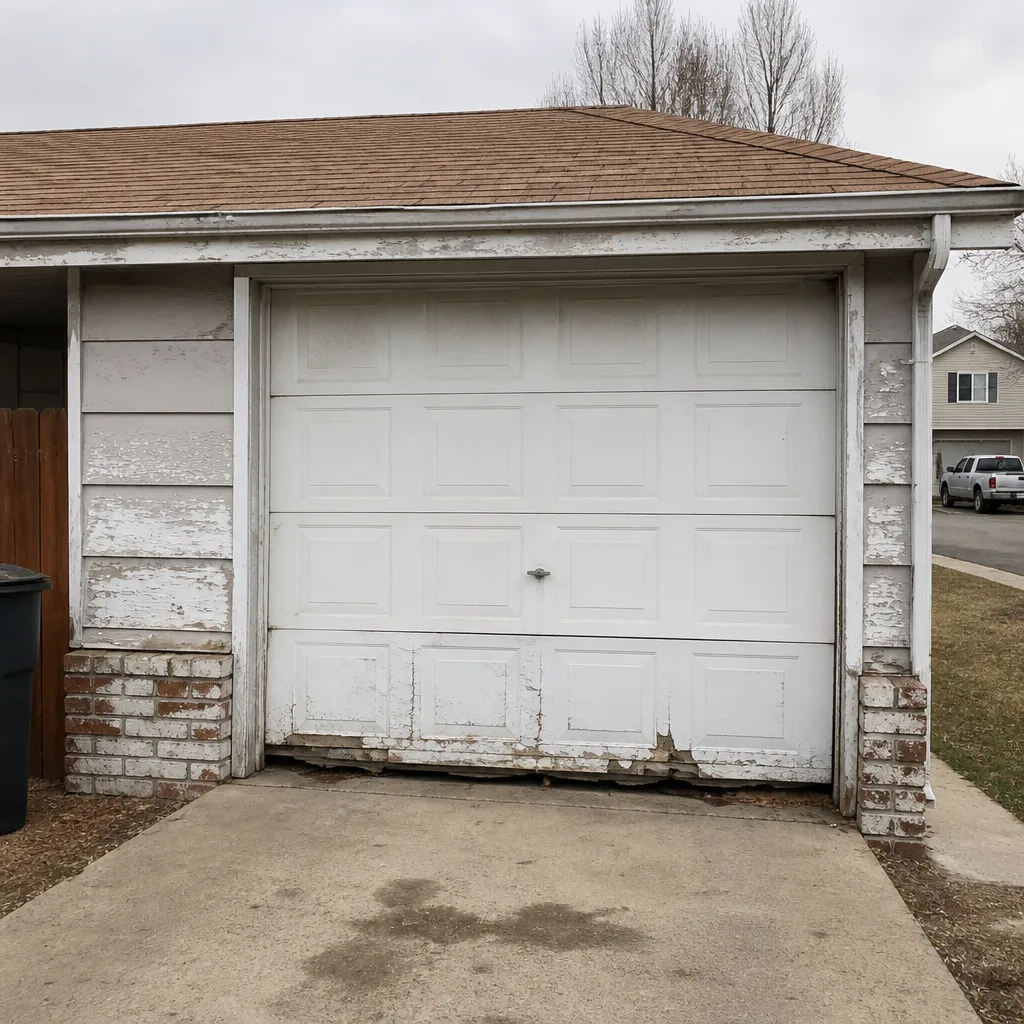
See the difference
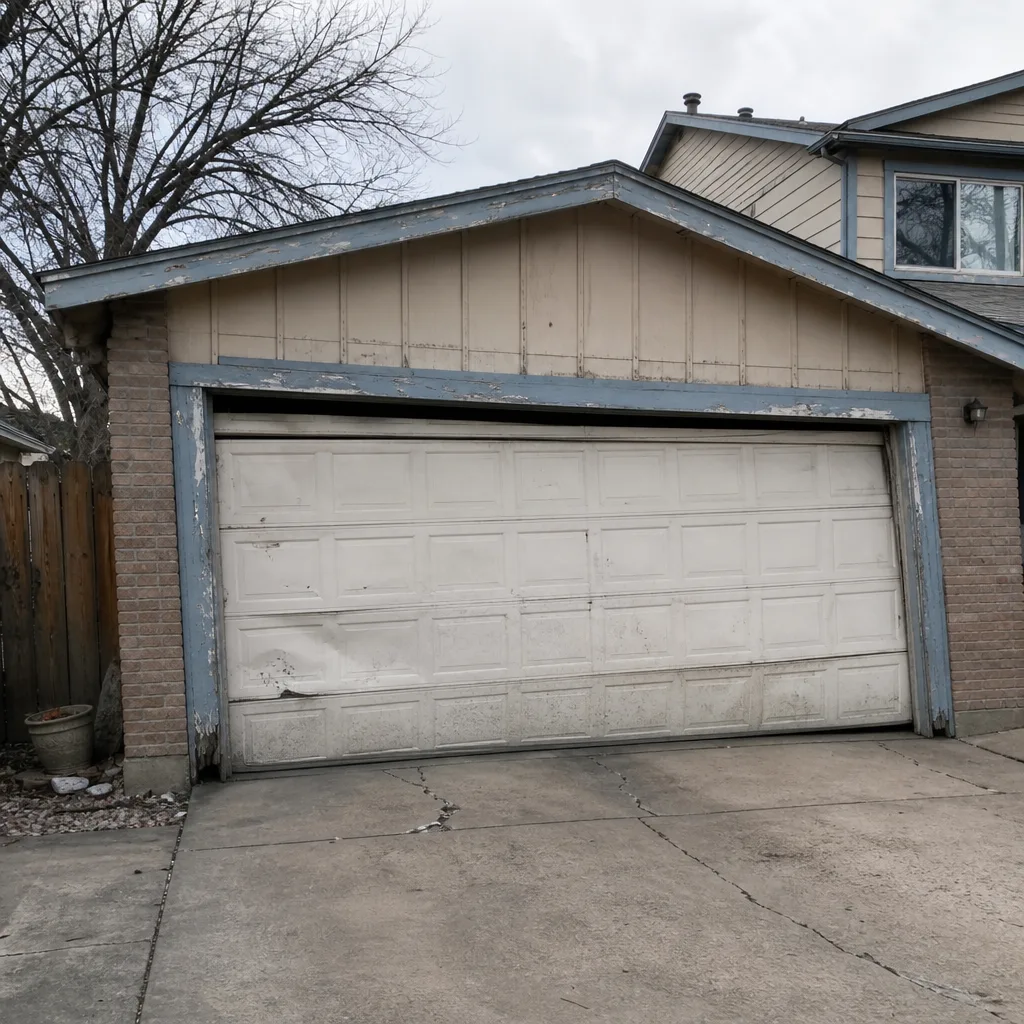 Before
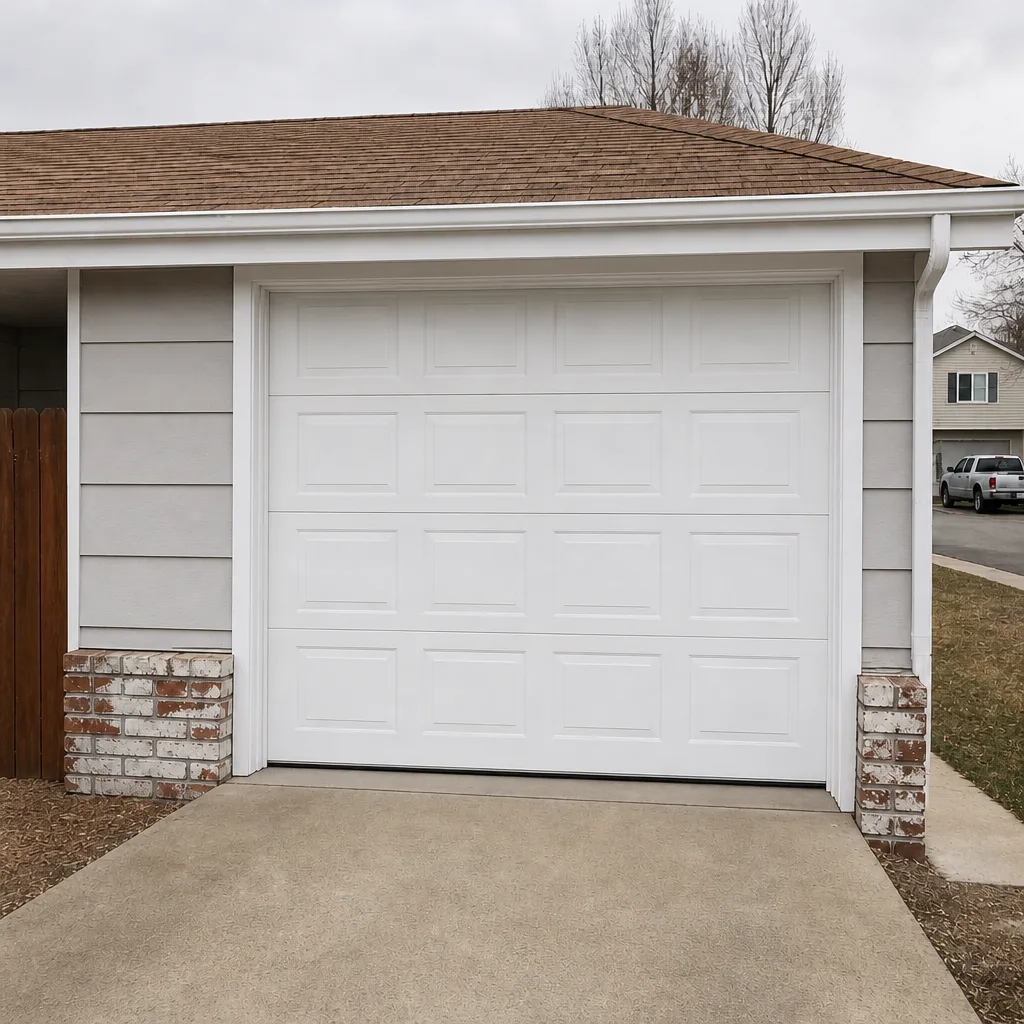
 After
 Before
 After
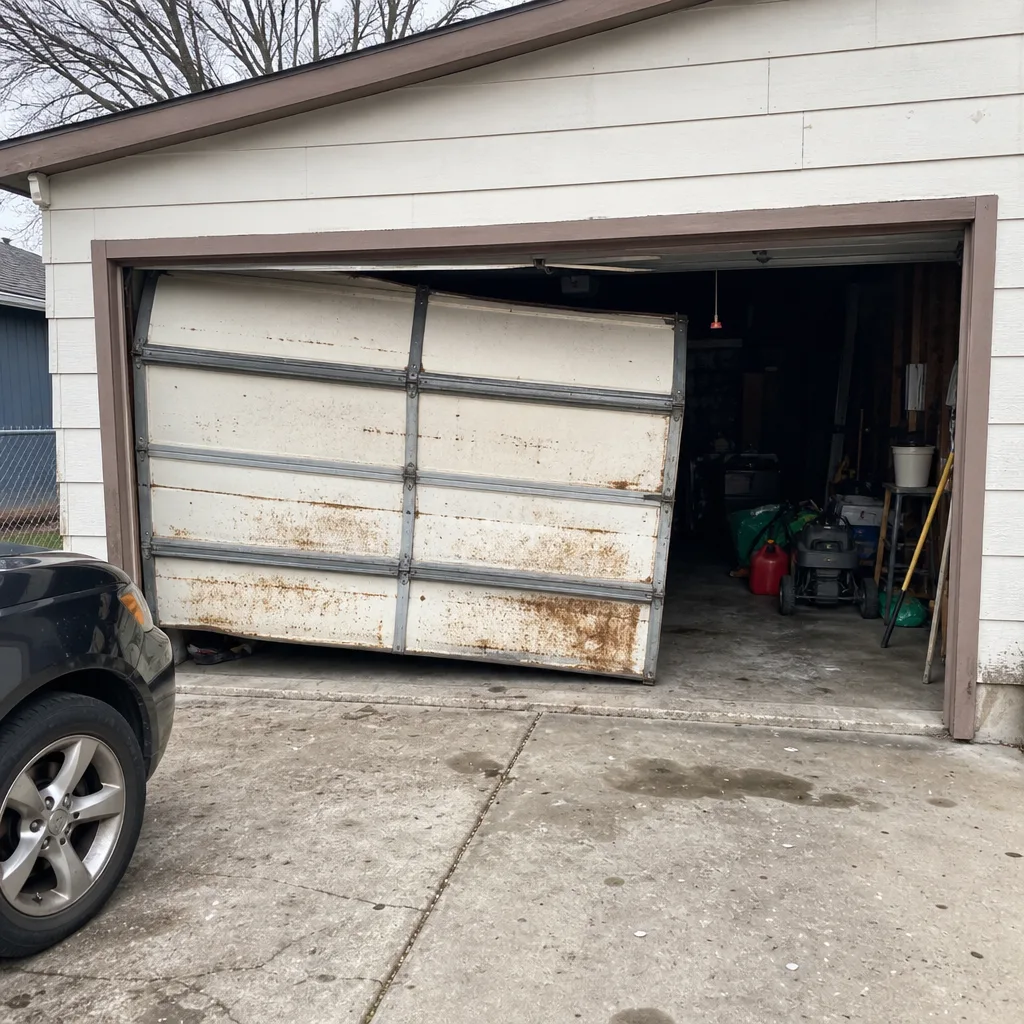 Before
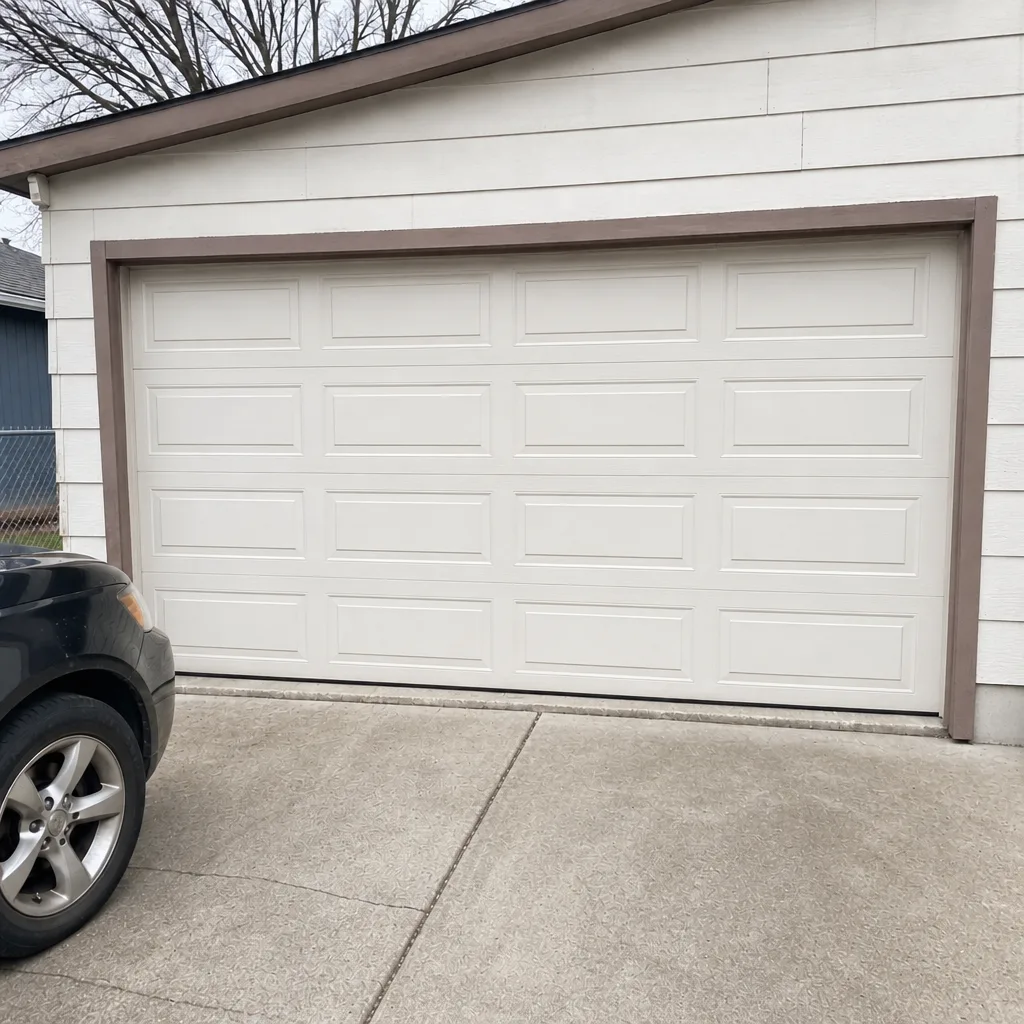 After