
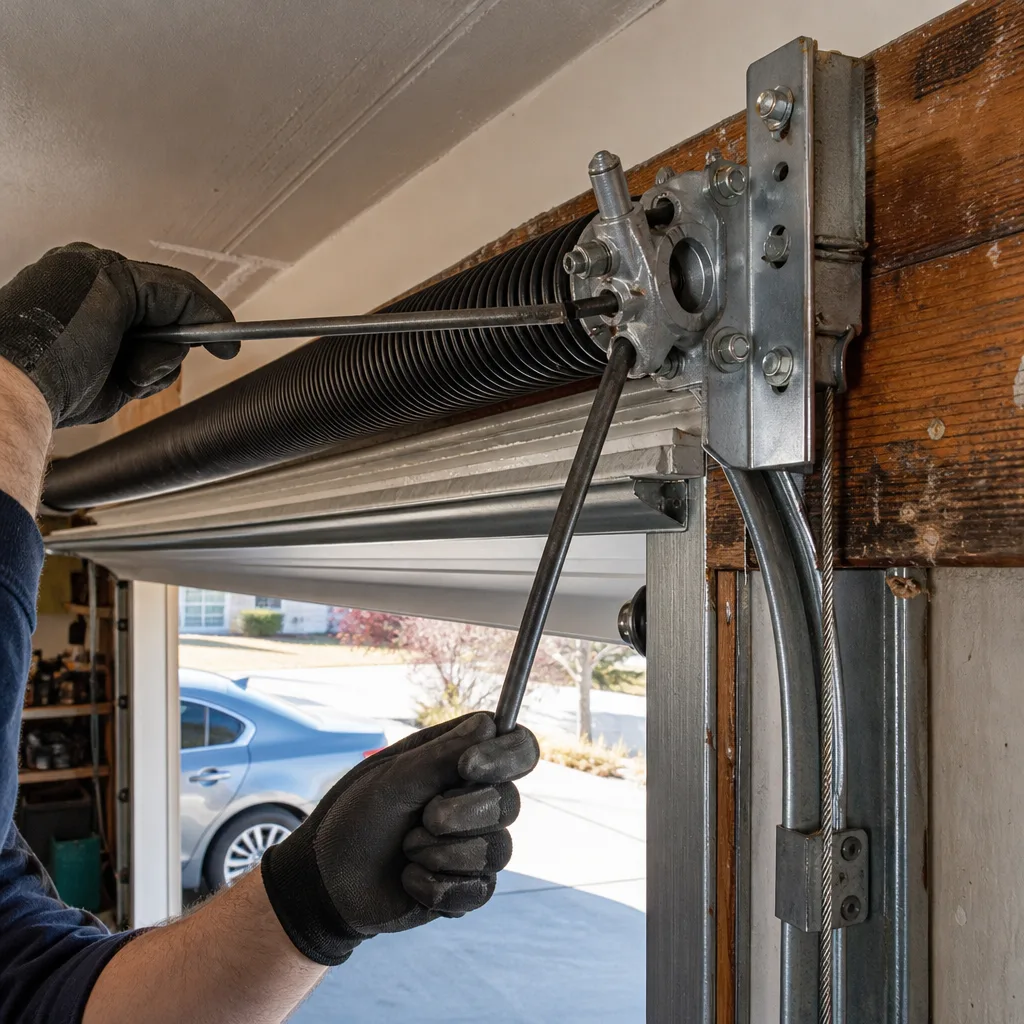
Last updated November 23, 2026
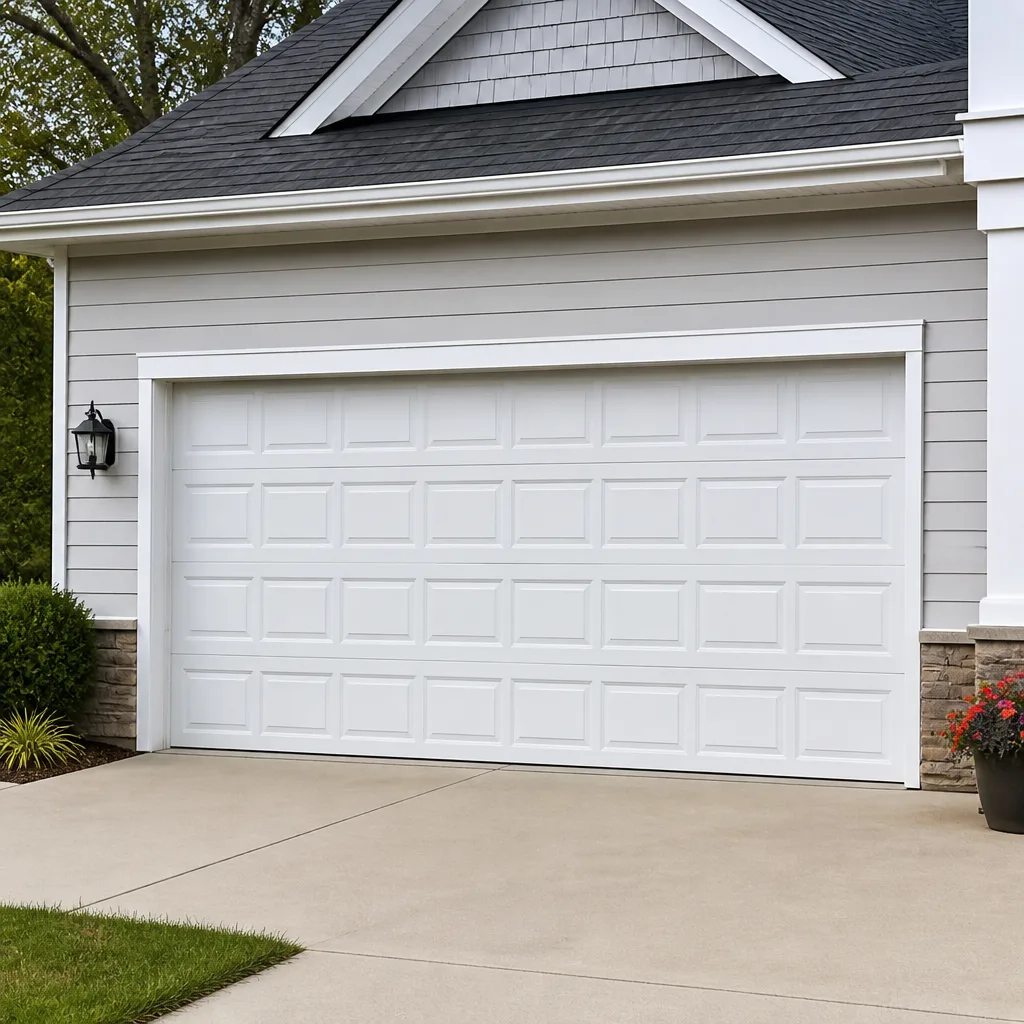 Raised-panel steel
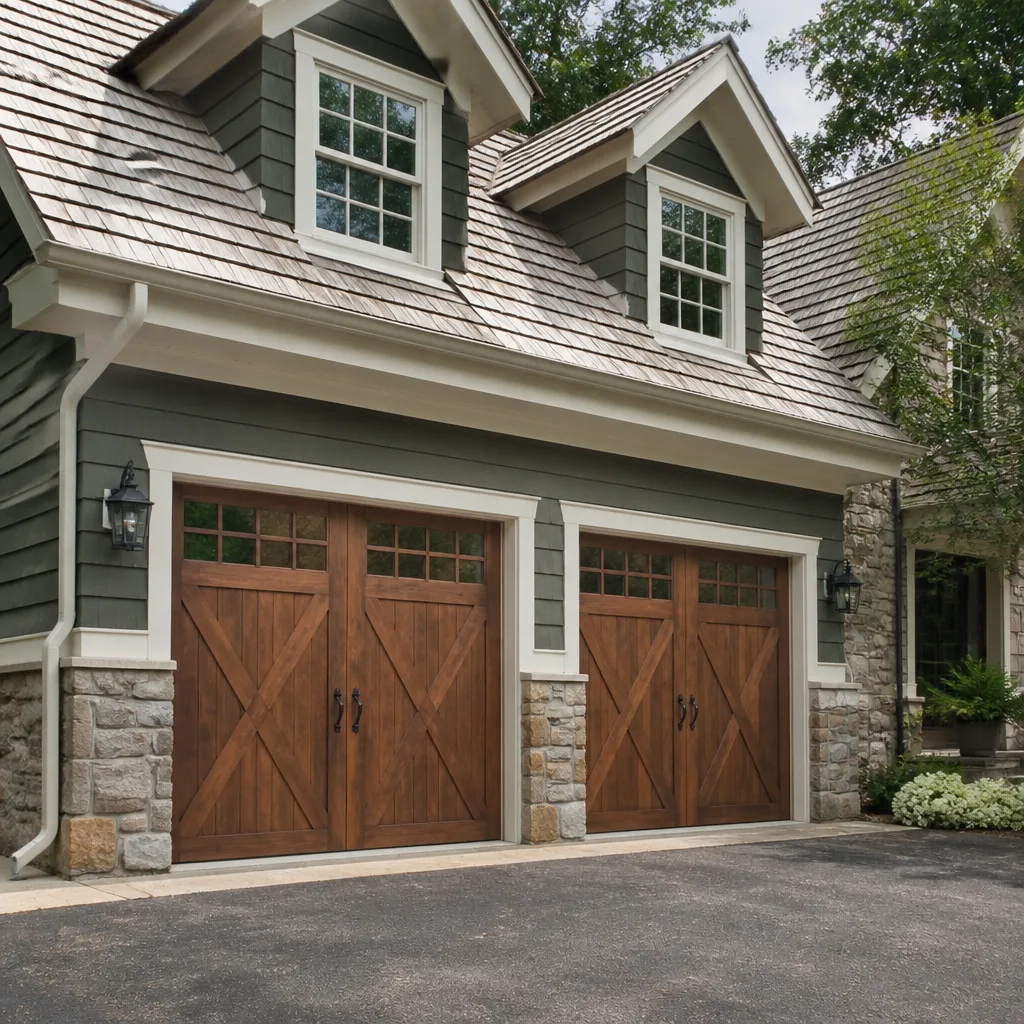 Carriage house
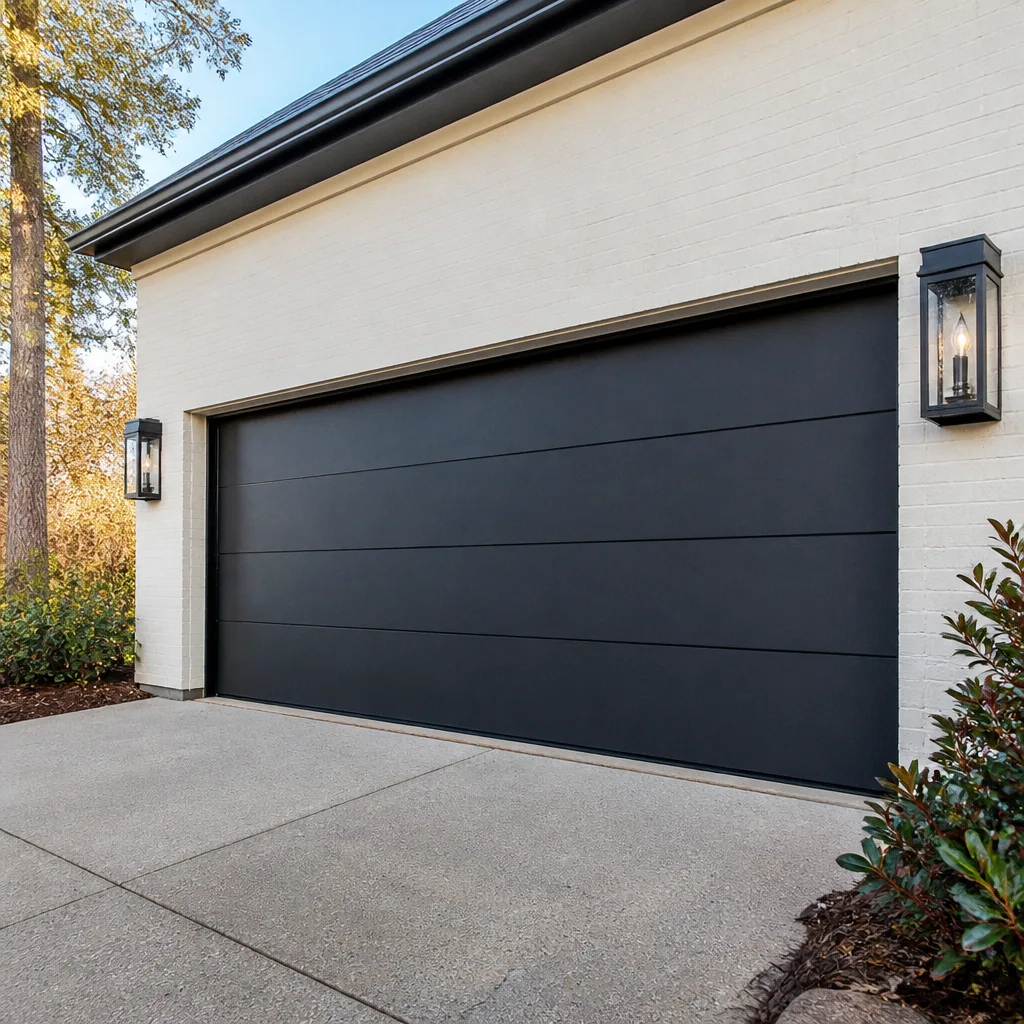 Modern flush
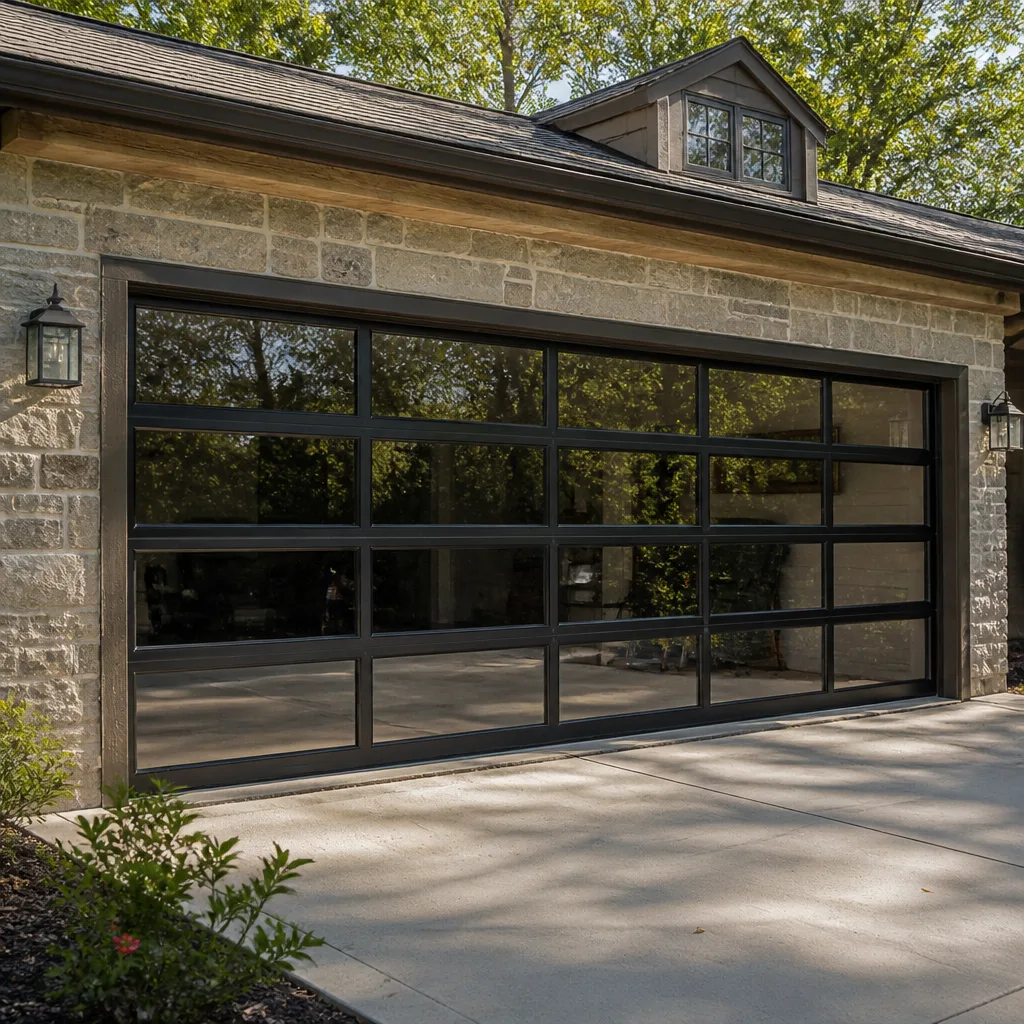 Full-view glass
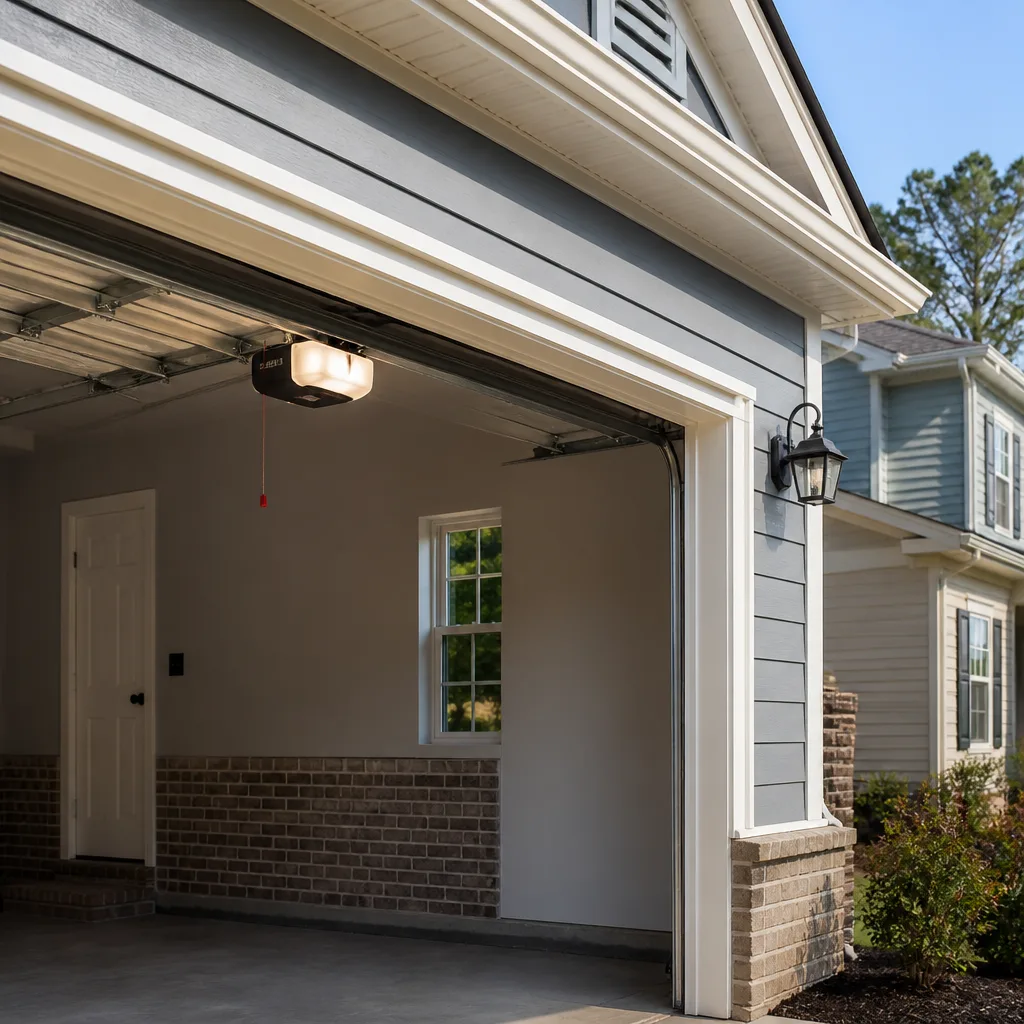 LiftMaster openers
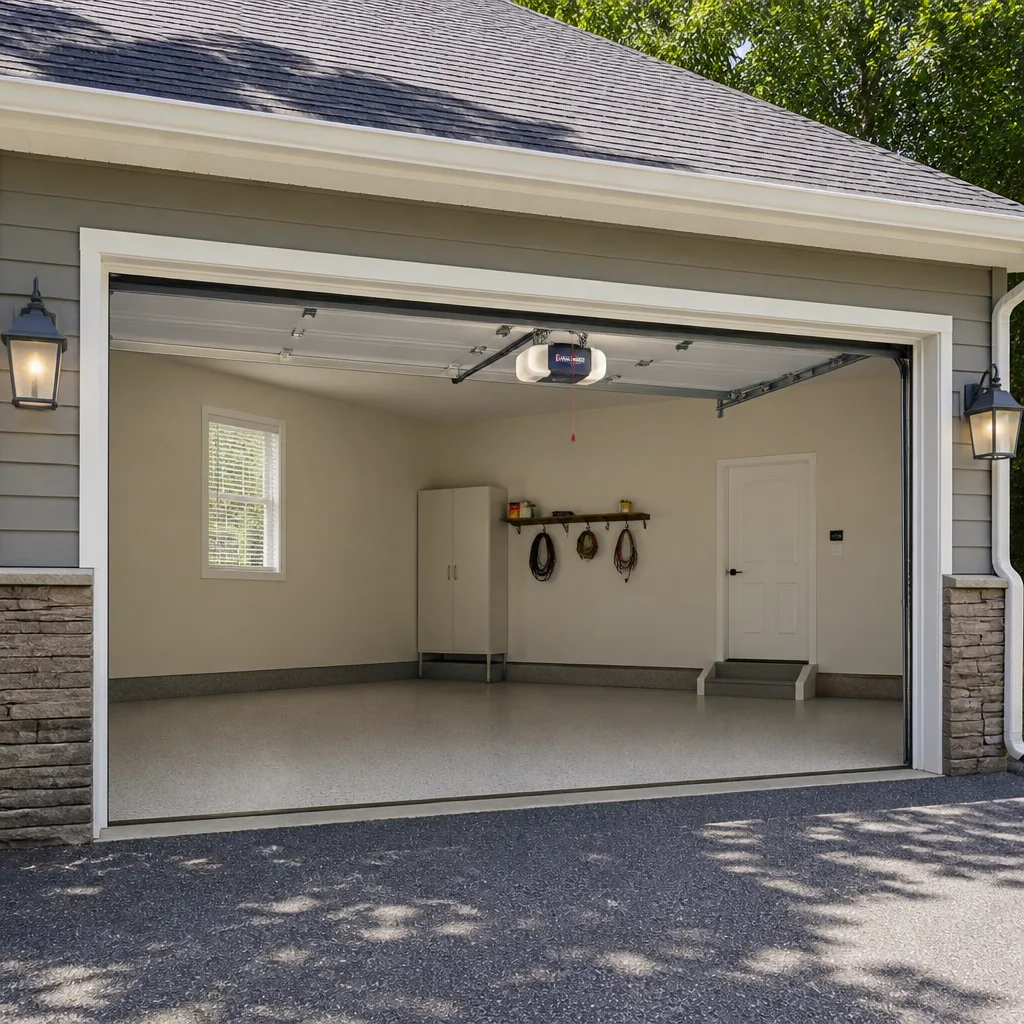 Chamberlain openers
Full 25-point door and opener safety check with every visit - springs, cables, rollers, tracks, and your LiftMaster or Chamberlain opener included
You get a price before we start. It does not change when the pro arrives.
Get your free estimateGarage Door Permits, Codes & Inspections in Thornton, CO: What You Need to Know
Here’s the part most homeowners learn too late: in Thornton, replacing your garage door can be a permitted project, while replacing the springs on that same door almost never is. The difference isn’t whether the work is “major” in your mind. It’s whether the job changes the structure or the door opening itself. Swap a Clopay door for a like-for-like Amarr and you may be free of paperwork. Add a new opening, reframe it, or change how the door loads against wind, and you’ve crossed a line that shows up later on a real estate disclosure form. This guide walks you through the Thornton permit threshold, wind-load ratings that matter here, HOA review versus city permit, what a building inspection actually checks, and how unpermitted work surfaces when you sell.
Quick Answer
A like-for-like garage door replacement on an existing single-family home in Thornton usually doesn’t require a permit, but any change to the structural opening, headers, or door assembly that affects wind resistance typically does. You also need a door product rated for the wind zone Adams County sits in, and you may need HOA architectural approval on top of a city permit. When in doubt, call the City of Thornton Building Division before you order the door.
Styles & brands we work with
- Raised-panel steel
- Carriage house
- Modern flush
- Full-view glass
- LiftMaster openers
- Chamberlain openers
Table of Contents
- When Does a Garage Door Job Need a Permit in Thornton?
- Wind Load and Adams County: What It Means for Your Door Choice
- HOA Architectural Review vs. City Permit: Which Comes First?
- What a Thornton Building Inspection Checks on a New Garage Door
- How Unpermitted Work Gets Flagged in Adams County Property Sales
- The Step-by-Step Permit and Installation Sequence
- What Permitted vs. Unpermitted Work Means for Cost and Risk
- Common Mistakes to Avoid
When Does a Garage Door Job Need a Permit in Thornton?
The short rule: a permit is triggered when the work alters the structure of the garage opening, not when it simply replaces components. A like-for-like door swap – same width, same height, same type of mounting, no change to the header or the framing – generally falls outside the permit requirement. Anything that changes the shape, size, or load path of the opening moves into permit territory.
Here’s how we walk homeowners through it. Ask three questions before you call anyone:
- Is the opening changing size or shape? Widening a single door to a double, raising the header, or changing the track geometry all involve structural work and typically need a permit.
- Is the door product changing wind classification? If you’re moving from a door that wasn’t rated for the local wind zone to a rated assembly, or the other way, the change is a structural decision the city will want to see.
- Is anything being added or removed? New framing, new headers, new blocks for the track, or converting a door to a wall are all permit-level changes.
Spring replacement, opener repair, cable and roller work, and panel swaps that don’t affect the frame are maintenance and repair, not structural alteration. That’s a big reason spring work is safe to schedule without paperwork – but it’s also why spring work isn’t a DIY project. Springs are under extreme tension, and a failed spring can cause serious injury. Our team handles that specific service as a dedicated specialty for exactly that reason.
If you’re unsure whether your project crosses the threshold, the City of Thornton Building Division is the authority. A two-minute call to the permit desk saves a multi-week headache. And when the work does involve replacement or new construction, our garage door installation page walks through how we scope a project with the paperwork in mind.
Wind Load and Adams County: What It Means for Your Door Choice
Garage doors are the largest moving surface on most homes, and they’re also the largest opening. In Thornton and the rest of Adams County, doors have to handle the wind pressure that a shelf of the Front Range produces. That’s why wind load matters here in a way it doesn’t in a sheltered, wooded suburb.
Wind load isn’t a rating you apply to the door after the fact. It’s baked into the door assembly: panel gauge, strut reinforcement, hinge and roller placement, and the anchor pattern where the tracks bolt to the frame. A door built to a light-duty spec may not meet the wind zone for a newer Thornton subdivision where homes sit exposed to the prevailing wind off the north and east.
What this means for you, practically:
- Match the door class to the opening. Two doors of the same size can carry different reinforcement. The one specified for your wind zone is the one that meets code.
- Reinforcement affects appearance and cost. A door with a strut across the top section looks slightly different and costs a bit more than an unreinforced version of the same design.
- Brands publish their ratings. Clopay, Amarr, and the other major manufacturers publish wind-load tables for their residential models. A quoted door should come with the specification in writing.
- Inspectors ask for the spec sheet. If the door isn’t documented to meet the wind zone, you’ll be asked to provide a compliant product – which means a second door and a second installation.
If you’re taking on a full door replacement, this is a conversation to have before the order goes in, not after. We work across the major brands, which means we’re matching the product to the wind zone, not steering you to whatever happens to be on the shelf. For a repair on an existing door, the wind question most often comes up as “do the struts still do their job,” which is a good thing to have checked after a decade of Front Range weather.
HOA Architectural Review vs. City Permit: Which Comes First?
This is the most common sequencing mistake we see. In a lot of Thornton neighborhoods – particularly the newer planned communities – a garage door replacement needs both an HOA architectural approval and, in some cases, a city permit. Homeowners often start with the city and then discover the HOA wants its own set of forms, drawings, and finishes. That’s where double revision costs come from.
Here’s the order we recommend:
- Start with the HOA. Read the architectural guidelines for garage doors. They may restrict color, panel style, glazing, and sometimes the brand. Getting HOA approval first means you know what product you’re allowed to install before you draw up the city paperwork.
- Then confirm the permit requirement. With the approved product in hand, call the City of Thornton Building Division and ask whether your specific scope needs a permit. You’ll be describing a real door, not a hypothetical.
- Then submit the permit application, if required. Attach the HOA approval and the manufacturer’s wind-load spec with your application package.
- Then schedule the installation. The install date should follow the permit, not race it.
Why does the order matter so much? Because the HOA often wants to see the door before it goes in, and the city may want to see the HOA sign-off. If you flip the sequence, you can end up with a permit approved for a door your HOA then rejects, or a door you’ve been told not to alter. Each round of re-application costs you weeks.
If you’re a residential property manager handling multiple units, this sequencing is even more important. We do free estimates on multi-unit projects, and we can write down the specifications you need for both the HOA packet and the permit application in the same visit. Call (866) 947-9572 to schedule.
What a Thornton Building Inspection Checks on a New Garage Door
If your project is permitted, a building inspection is the final checkpoint. Homeowners often picture the inspector checking whether the door opens smoothly. In reality, the inspection is about compliance with the approved plan, not aesthetics. Here’s what the inspection typically covers, in general terms, when a permit applies:
- Product matches the approved spec. The installed door should be the model and rating shown on the permit application. Wind-load documentation is normally reviewed here.
- Structural changes are as drawn. If the plan shows a new header, framing modification, or a changed opening size, the inspector verifies that the work matches the approved drawing.
- Fastening and reinforcement are correct. Track anchoring, strut installation, and hinge placement are checked against the product spec. This is where a door installed without reinforcement comes up short.
- Safety devices are functioning. The photo-eye safety sensors and the auto-reverse function are checked. Federal safety standards apply to any opener installed or replaced, regardless of whether the door required a permit.
- The door operates clear of obstructions. Track alignment and clearance are a standard part of the inspection.
How to prepare: gather the product spec sheet, the permit card, and any HOA approval in one place. Make sure the opener’s safety devices are functioning and nothing is stacked against the door. Clear the driveway so the inspector can see the door travel. That’s usually it.
If you’re scheduling a permit-level replacement, we can have a technician help you prep for the inspection as part of the install. We also handle the non-permit repairs that keep the door in condition to pass – opener diagnostics, sensor alignment, and roller and cable work – through our garage door repair service. If the opener itself is the issue, that’s garage door opener repair. If a spring is binding during travel before inspection, get that fixed first. It’s a repair we treat as its own dedicated service.
How Unpermitted Work Gets Flagged in Adams County Property Sales
Unpermitted garage door work is quiet. There’s no alarm when it’s completed. It sits there through every holiday, every storm, and every season in Thornton – and then it comes up at the worst possible moment: the sale of the house.
Colorado’s seller disclosure process asks, in plain terms, whether the seller is aware of any work done to the property that required a permit but wasn’t permitted. A buyer’s inspector or an appraiser can compare the door assembly against the permit history on file with Adams County. When the record doesn’t match the install, three things tend to happen:
- The buyer asks for the paperwork. If it doesn’t exist, the buyer’s agent will often ask for the door to be documented retroactively, or for a credit at close.
- The seller has to file a retroactive permit. Many jurisdictions allow this – sometimes called a retroactive or “as-built” permit – but it often requires a site inspection, possibly opening up part of the door assembly so the framing and reinforcement can be verified.
- The inspection may not pass. If the installed product doesn’t meet the wind zone or isn’t documented to the spec, the retroactive inspection can require a corrected install. Now you’re paying for the door twice.
We’ve seen homeowners ask a simple question that saves them trouble: “Is this a permit job?” If the answer is “probably not,” get it in writing from the contractor so it can go into your own records. If the answer is “yes,” do the paperwork. A short permit application is cheap compared to a retroactive inspection in the middle of a sale. It’s also the kind of thing that keeps a garage door job from becoming a negotiation point on the closing disclosure.
The Step-by-Step Permit and Installation Sequence
Here’s how a permitted garage door replacement typically runs in Thornton, from first call to final inspection. This is close to what a well-run project looks like:
- Confirm the scope. Is the job a like-for-like swap, or does it involve a changed opening or structure? If it’s the second, plan for a permit.
- Get the HOA packet in motion. Read the architectural guidelines. Submit the color, style, and brand you plan to install. Allow time – HOA review is not fast.
- Confirm the permit requirement with the City of Thornton Building Division. Describe the door and the scope. Ask what documents the city wants with the application.
- Order the door to spec. The spec must match the wind zone for your area. Keep the manufacturer’s documentation.
- Submit the permit application, if required. Attach the HOA approval and the product spec sheet.
- Install. New door, tracks, springs, and hardware. If the opener is being replaced at the same time, the safety devices are set per federal standards.
- Inspection. The inspector verifies the installed product matches the approved plan and that safety devices are functioning.
- Close out the permit. Keep the final inspection record with the other home documents. It goes in the file that a buyer will eventually ask to see.
If you’re repairing rather than replacing, most of this doesn’t apply. Spring repair, opener repair, cable work, and roller replacement are maintenance and repair. Those can be scheduled without paperwork, and a functioning door is a big part of what keeps an inspection issue from ever coming up.
What Permitted vs. Unpermitted Work Means for Cost and Risk
Here’s the connective tissue that ties all of this together. The permit itself is not the expensive part. What’s expensive is the risk the permit removes. A permit-level replacement is a multi-step project: it takes a spec’d door, an install to that spec, and an inspection to close it out. An unpermitted replacement skips the paper trail – until someone asks a question.
When we quote a job, we write down what’s included. Free estimates mean you see the number before the work starts, and the written estimate is what you pay. On installations, the timing is a measure-and-order process, because the door has to be specified to the wind zone and approved by the HOA before it’s even manufactured. On repairs, we can often be out the same day, but the price is still set by the estimate before anyone starts.
A few things we hear homeowners worry about, and how we handle them:
- “Will the price change once you see it?” The written estimate sets the price. If we find additional problems on the installation, we stop and re-scope with you before any additional work begins.
- “Do you carry the permit?” The permit belongs to the property owner and to the contractor performing the work. We help with the drawings and the documentation and are glad to walk you through the permit step, but the paperwork is filed with the city in the homeowner’s name.
- “What if my door brand isn’t in stock?” Every major brand – Chamberlain, Genie, Clopay, Amarr, and the rest – has a lead time on custom orders. Matching the spec to your wind zone matters more than picking the fastest-available model.
- “Is this even a permit job?” We answer that question on every install quote.
The short version: a permit is a small line item against a project you’d want documented anyway. Unpermitted work is a deferred risk that surfaces during a sale or an insurance claim.
Common Mistakes to Avoid
- Starting with the city permit before the HOA. If the HOA rejects the door after you’ve gotten a permit for it, you’re back to the drawing board with a live permit in your hand. Read the HOA packet first – every time.
- Assuming any door replacement needs a permit. Many like-for-like swaps don’t. Over-filing wastes the city’s time and your time. Confirm with the Thornton Building Division before assuming either way.
- Buying the door before the HOA and the wind zone are confirmed. A door that’s been ordered and installed before the review is a door you may be asked to remove. Confirm the product spec in writing first.
- Skipping reinforcement to save a small amount on the door. An unreinforced door doesn’t meet the wind load of an exposed Thornton neighborhood. The inspector will catch it, and the fix is a full re-install.
- Losing the paperwork. Keep the final inspection record, the HOA approval, and the manufacturer’s spec sheet together with your other home documents. In five or ten years, these are the exact pages a buyer will ask for.
- Treating spring work as a permit question. Springs aren’t a permitted alteration – but they’re still dangerous to replace without training. Springs are under extreme tension, and a failed spring can cause serious injury. Call a technician with a dedicated spring service.
- Letting an unpermitted install drag into a sale. If you inherited unpermitted garage work, get it documented before you list. A retroactive permit and a documented inspection are a lot cheaper than a renegotiation at closing.
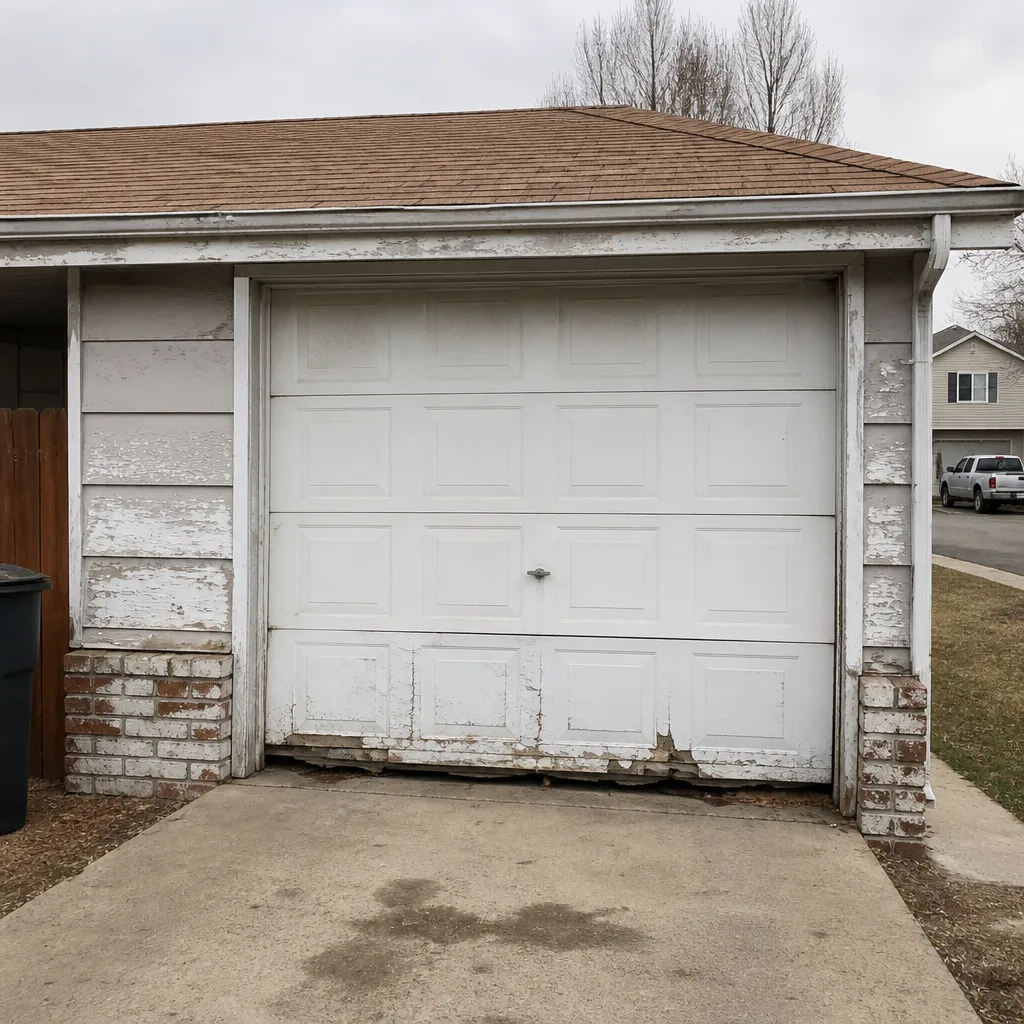
See the difference
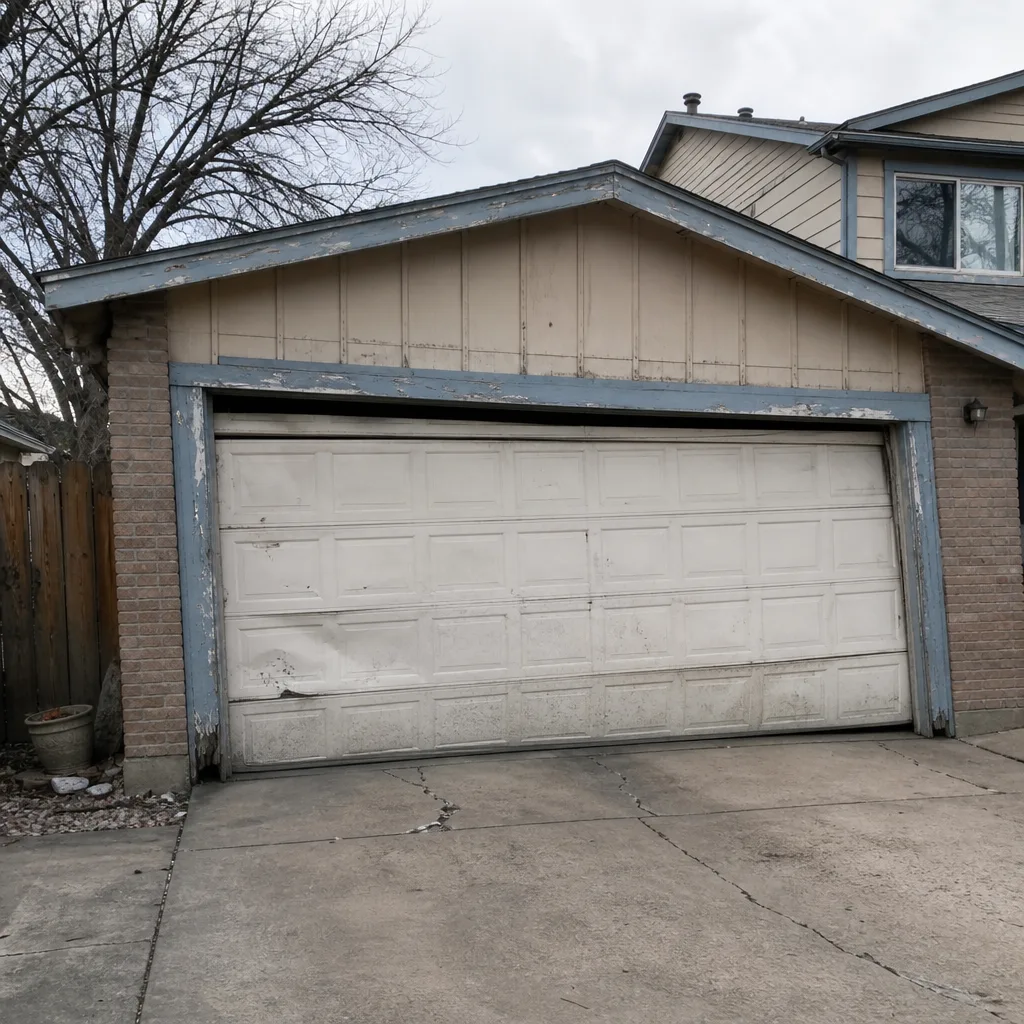 Before
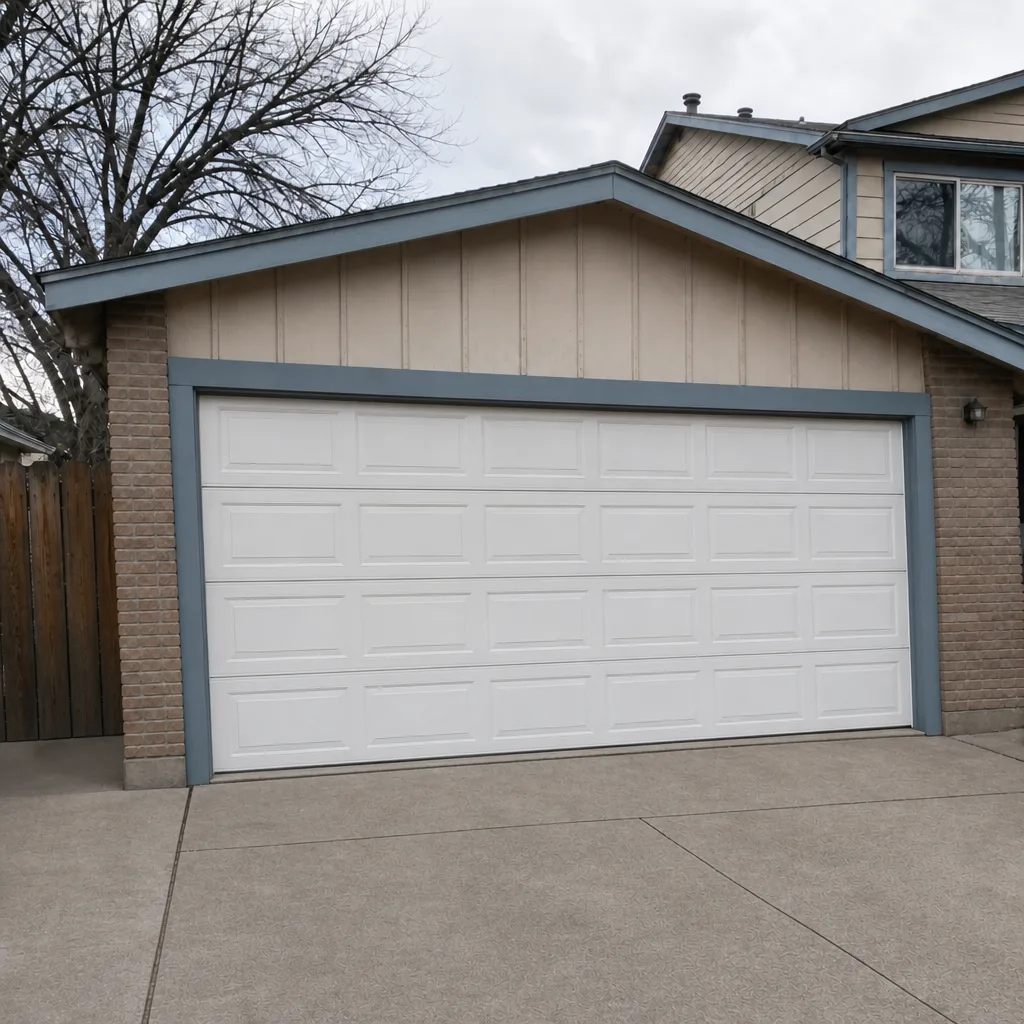 After
 Before
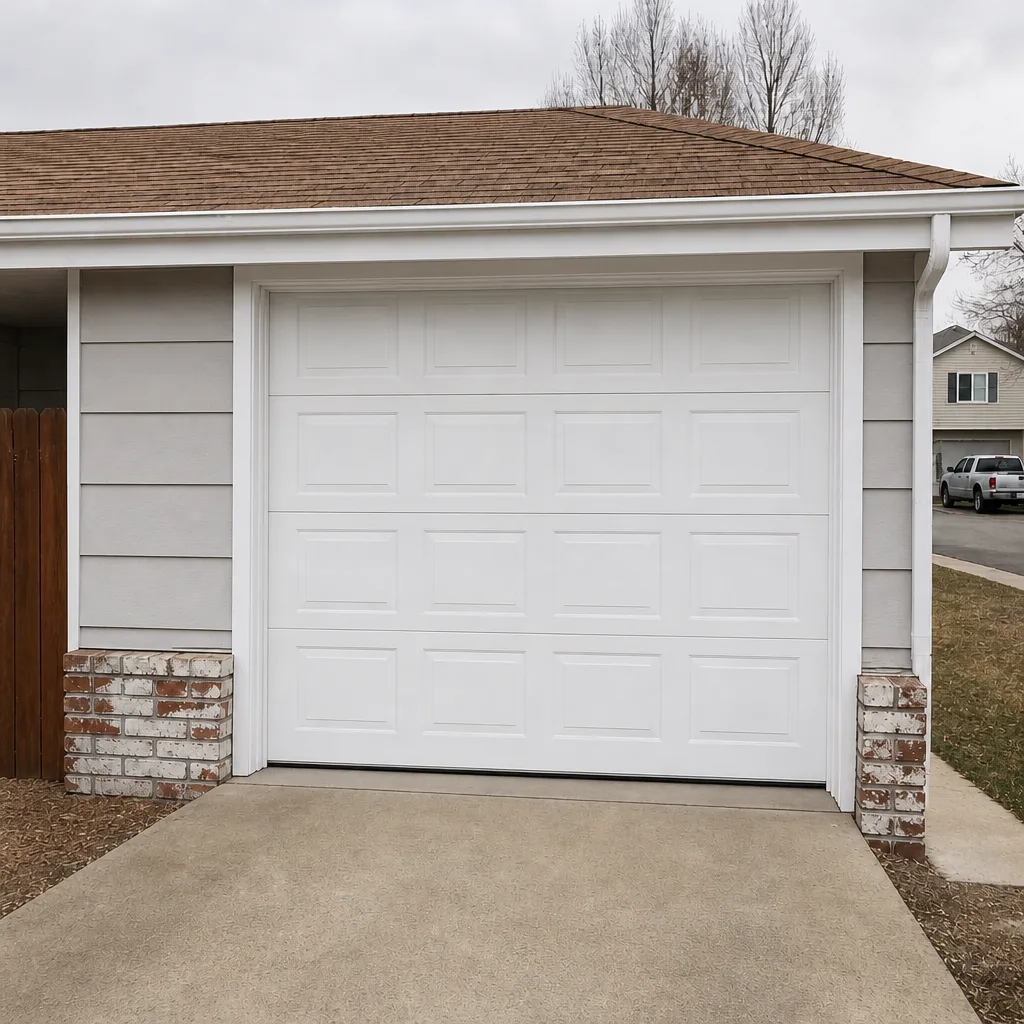 After
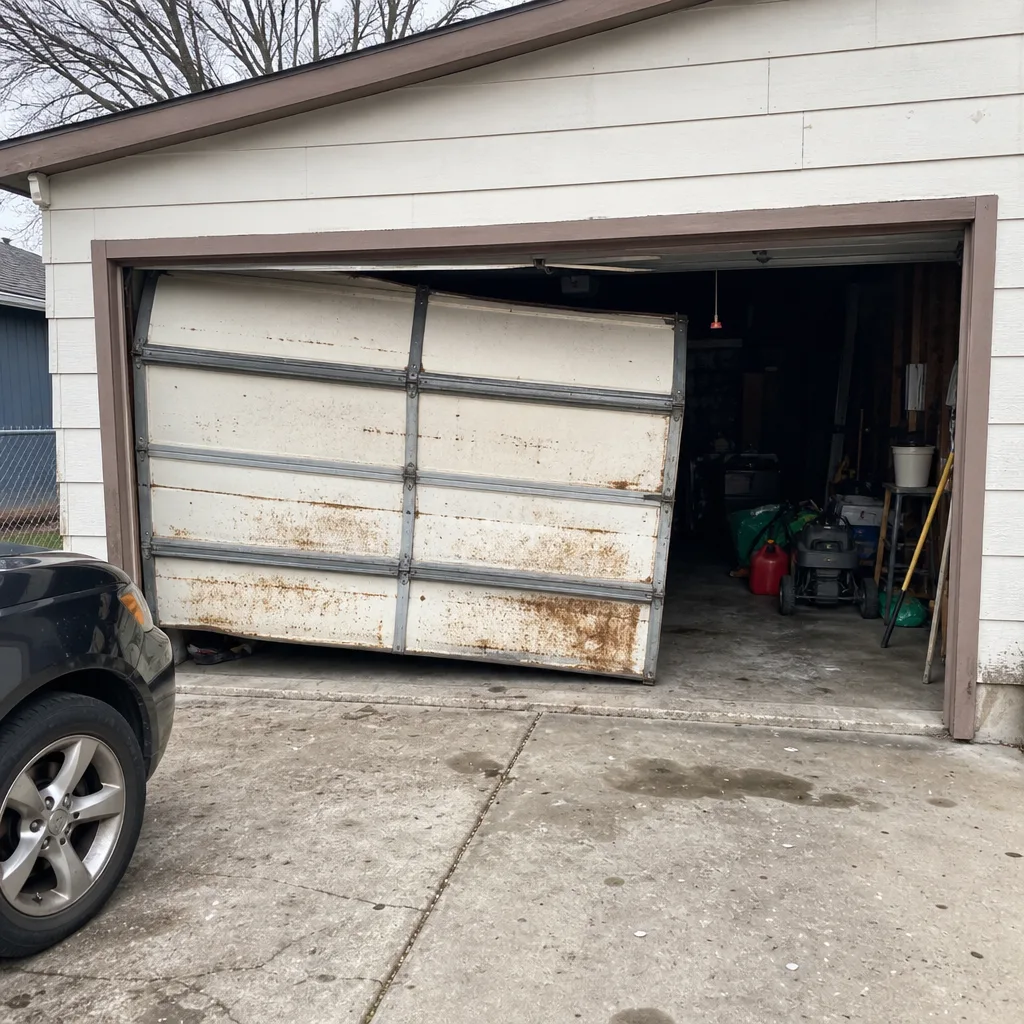 Before
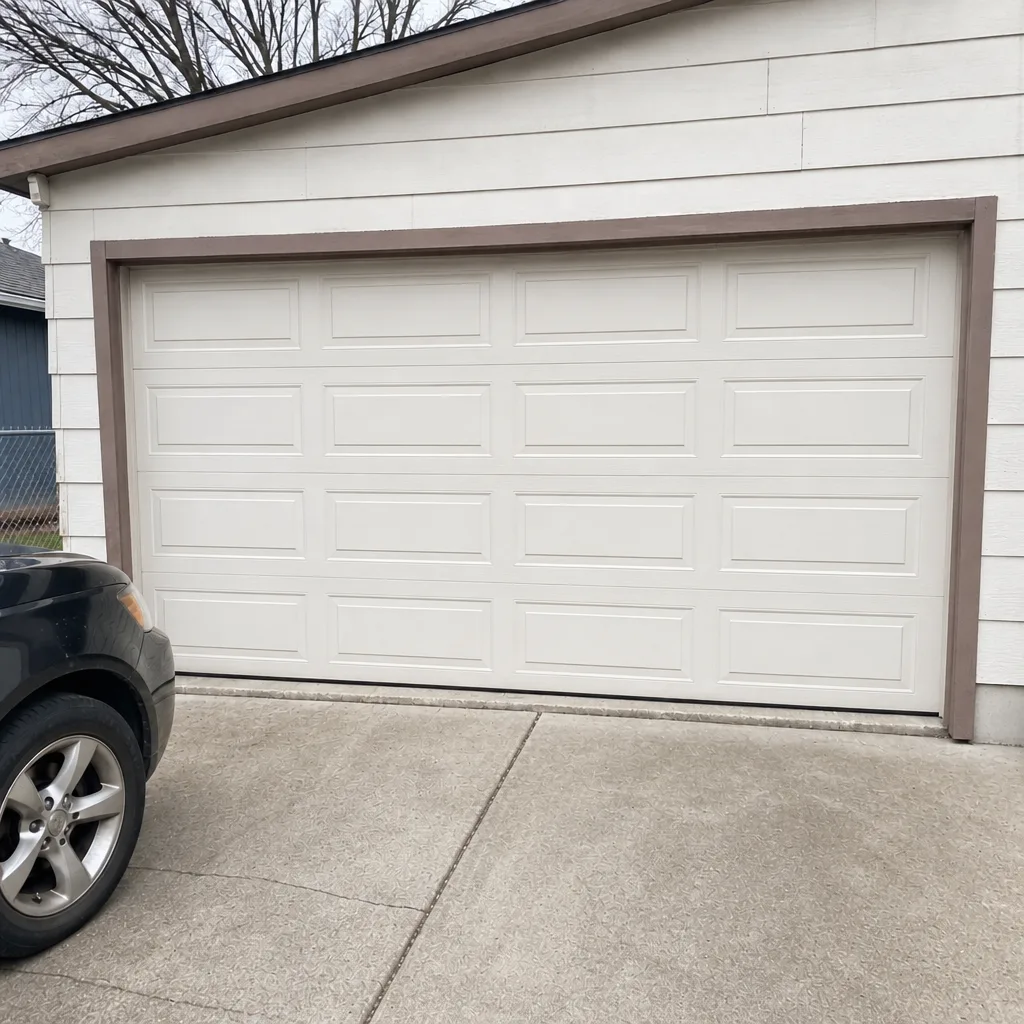 After
When to Call a Professional
If your spring snapped and the door is stuck in the open position, that’s a repair, not a permit question – and it’s the kind of thing that can’t wait. If your door is being replaced and you’re not sure whether the job is permitted, that’s a call we can answer with the scope in front of us. If the HOA packet has a door specification you need to fit, we can write down matching product options. If your opener has failed or your door won’t reverse, that’s opener repair. If you’re a property manager looking at multiple units, the sequencing question is worth mapping out before any orders. Thornton Garage Door Repair Pros offers free estimates in Thornton – call (866) 947-9572. We answer 24/7, with fast dispatch from 7am to 7pm, Sunday through Friday. Our technicians have up to 12 years of experience, and we work on every major brand, including Chamberlain, Genie, Clopay, and Amarr.
Frequently Asked Questions
Usually not for a like-for-like swap on an existing single-family home, but yes for any change that alters the structural opening, the header, or the wind classification of the door assembly. The line between the two is specific enough that it’s worth a call to the City of Thornton Building Division before ordering the door. Call (866) 947-9572 for a free estimate – we’ll help you scope the project with the permit question in mind.
No. Spring replacement is maintenance and repair, not a structural alteration, so it doesn’t require a permit. It does require a trained technician, because springs are under extreme tension and a failed spring can cause serious injury. That’s why spring repair is a dedicated service for us. Call (866) 947-9572 – estimates are free.
That depends on the specific location and exposure of the home, and it’s set at the municipal and design-spec level rather than by a single number across the county. The safer way to answer it: every door you install in Thornton should come with a manufacturer’s wind-load specification, and you should confirm with the City of Thornton Building Division that the rating is accepted for your address. We supply the spec documentation with every installation quote.
HOA architectural approval comes first. Get the door specification approved by the HOA, then confirm with the City of Thornton Building Division whether your scope requires a permit, then submit the permit application. Doing it in that order avoids the most common double-revision cost – a permit for a door the HOA later rejects. Call (866) 947-9572 if you’re not sure how to scope the HOA packet.
It typically comes up through the seller’s disclosure process, where a seller is asked whether they’re aware of work that required a permit but wasn’t permitted. A buyer’s inspector or appraiser can compare the installed assembly against the permit history on file with Adams County. If the work doesn’t have paperwork, the seller often has to file a retroactive permit and sometimes pass a site inspection. That’s a much bigger project than the original permit would have been.
We help with the drawings, the product specifications, and the documentation that belongs with a permit application, but the permit is filed with the city in the property owner’s name. We also provide the HOA-ready specification sheets so you’re not reverse-engineering the packet on your own. For a free estimate, call (866) 947-9572. We answer 24/7, with fast dispatch from 7am to 7pm, Sunday through Friday.
The Bottom Line
In Thornton, the garage door permit question comes down to what’s changing. A like-for-like door or a spring swap doesn’t need paperwork. A structural change to the opening, a shift in wind classification, or a job that changes how the door loads against wind does. Put the HOA review first, the city permit second, the install third, and the inspection last. Keep the records together. That’s the sequence that keeps a garage door from becoming a closing-table negotiation, and it’s how we approach every install we scope in Thornton. When you’re ready to sort out whether your project qualifies, call (866) 947-9572 for a free estimate. You can also start from our home page at Thornton Garage Door Repair Pros to see the full range of garage door work we take on.
Written by the team at Thornton Garage Door Repair Pros.